

 See My Latest Article on HelloNation
What Makes Up the Cost of a New HVAC System?
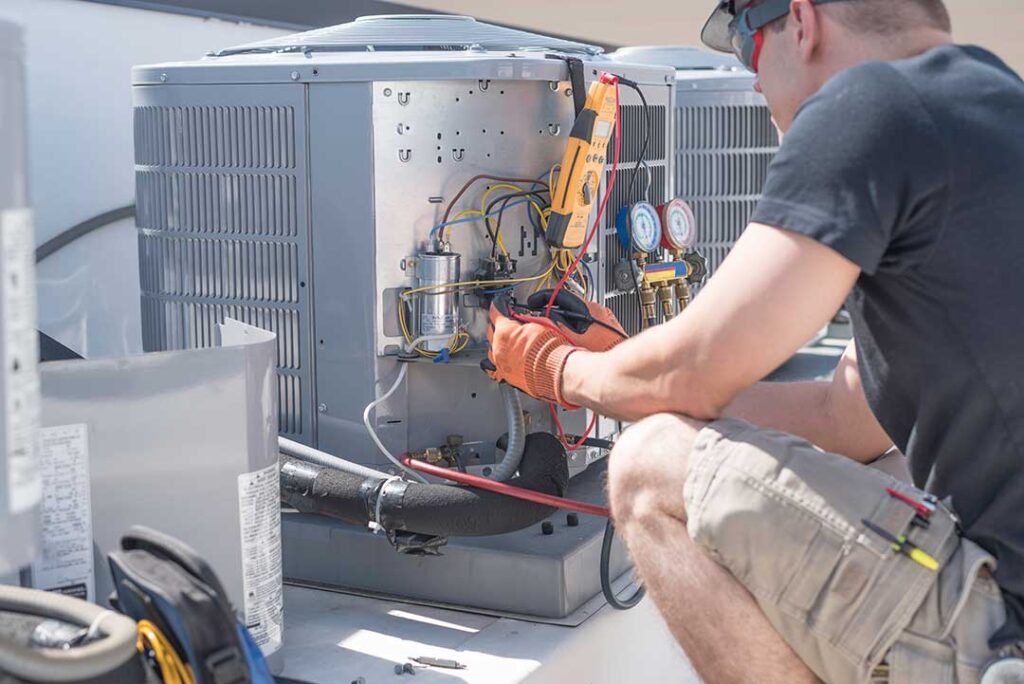
The cost of a new HVAC system involves several components beyond just the equipment price. In Ocean View, NJ, area homeowners should expect expenses related to both the system itself and the installation process. The main cost factors include the type of system, its size, installation complexity, efficiency ratings, and necessary upgrades to existing infrastructure.
How Does System Type Affect the Price?
The type of HVAC system chosen makes a significant impact. Central air conditioning paired with a furnace is common, but some homes use heat pumps or ductless mini-splits. Central systems often cost more upfront due to ductwork needs, while ductless systems can be more affordable for isolated spaces.
For example:
- Central forced-air systems require ductwork, adding both material and labor expenses if none exists.
- Heat pumps can offer both heating and cooling but may require backup heat for cold spells, especially in areas with winter lows that occasionally reach the 20s.
- Ductless mini-splits work well for additions or remodels, with costs varying by the number of indoor units installed.
Why Does System Size Matter?
Properly sizing the HVAC system is crucial for both cost and performance. Size is determined by the square footage of the home, ceiling height, insulation, window area, and sun exposure, all of which are influenced by Ocean View’s coastal climate and common housing layouts.
A unit that’s too small won’t keep up with seasonal demands, leading to discomfort and higher energy use as it strains to maintain temperature. Oversized units cycle on and off, wearing out components prematurely without properly dehumidifying the air—an important consideration in the humid summer months.
Calculating the right size may involve a load calculation accounting for:
- Home size and layout
- Window and door efficiency
- Insulation quality
- Orientation and shading from trees or neighboring houses
It’s common to see size recommendations listed in tons or BTUs.
How Do Efficiency Ratings Impact Upfront and Long-Term Costs?
Efficiency is measured by SEER (Seasonal Energy Efficiency Ratio) for cooling and AFUE (Annual Fuel Utilization Efficiency) for heating. Higher-efficiency systems cost more initially but can reduce monthly utility bills, especially in this region’s mix of hot, humid summers and cold winters.
Local households sometimes weigh upfront costs against anticipated energy savings. Rebates for high-efficiency units can occasionally offset the premium but rarely cover the full difference. The return on investment depends on home usage patterns and the age of the system being replaced.
What Role Does Installation Complexity Play?
Installation isn’t just about connecting new equipment. Older Ocean View homes may need electrical updates, asbestos remediation from outdated ductwork, or modifications to fit modern components. Crawl spaces, attics, and slab foundations all introduce challenges that can increase labor time.
Typical examples include:
- Retrofitting ductwork that doesn’t meet current building codes
- Structural alterations to accommodate larger or heavier equipment
- Upgrades to electrical panels to support high-efficiency systems
Are There Other Expenses Residents Should Expect?
Some costs are easy to overlook during initial research:
- Permitting fees – Most installations require local permits for safety and code compliance.
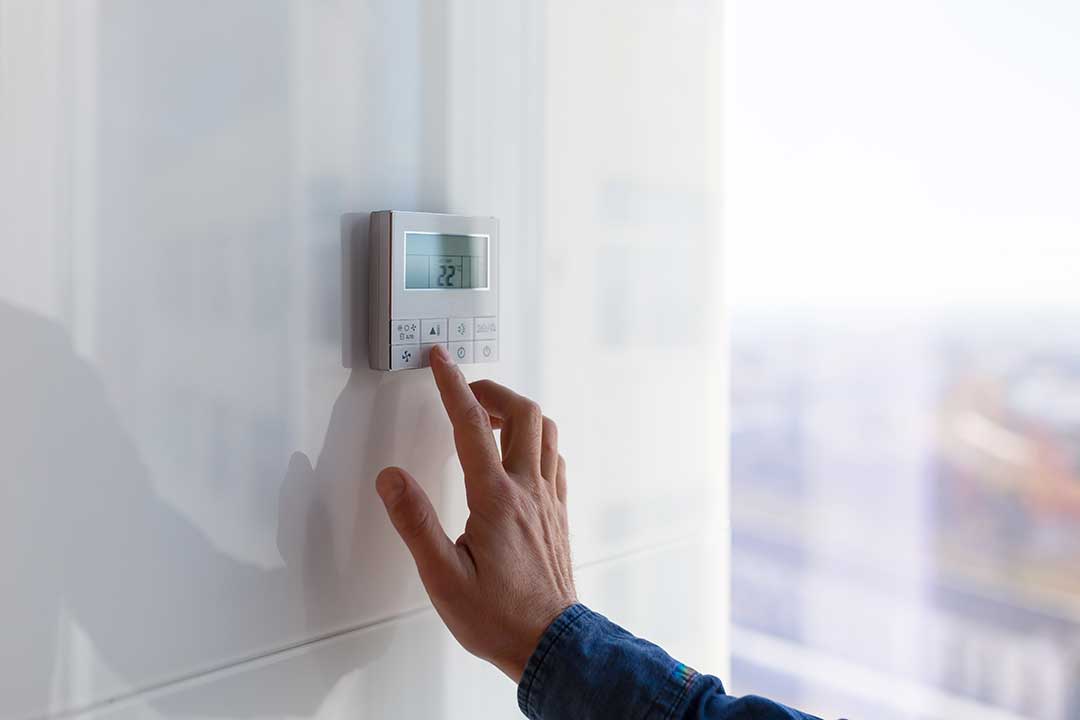
- Thermostats – Upgrading to a smart or programmable thermostat can be a separate cost.
- Old equipment removal – Hauling away old equipment isn’t always included in quoted prices.
- Duct cleaning or sealing – New systems often operate best with clean and well-sealed ducts.
Additionally, if an HVAC replacement reveals underlying issues (such as mold or water damage near ductwork), addressing those becomes necessary to protect the health and comfort of the household.
How Do Local Climate and Building Practices in Ocean View Affect HVAC Choices?
Ocean View’s coastal setting subjects homes to salt air, humidity, and a broad range of temperatures throughout the year. Corrosion resistance and moisture management are more important here than in drier inland communities.
Many homes built before the 1990s may lack modern insulation or up-to-date air sealing. Upgrading HVAC without addressing these issues may limit the new system’s effectiveness. Some area households opt for variable speed systems or dehumidifiers to better handle damp, muggy conditions during the summer.
What Is a Realistic Price Range for a New System in the Area?
While prices vary by home size and needs, most replacements in Ocean View cost several thousand dollars at a minimum, with larger or more complex installations reaching into five figures. Comparing similar homes nearby, examples include:
- A compact home needing only a simple central air and furnace swap could start around $6,000–$8,000, including basic installation.
- Larger homes, or homes requiring new ductwork, specialty filtration, or zoning, may face costs of $12,000–$20,000 or more.
- Ductless or multi-zone heat pump systems can range widely, often depending on the number of rooms to be conditioned.
These estimates include both equipment and labor but do not factor in potential permitting fees or upgrades for electrical or structural work, which may be uncovered during a site assessment.
What Are Common Misconceptions About HVAC System Costs?
Some residents assume that simply replacing an old unit with a new model of the same size is always sufficient or cheapest. However, advances in efficiency and changing local building codes mean that newer systems may have different requirements or optimal sizing.
Another misconception is that higher SEER or AFUE always pays for itself quickly. While utility savings are real, the payback period depends on individual usage and energy prices. Choosing the most efficient system isn’t always required for comfort or budget goals.
Lastly, the sticker price of the HVAC unit itself is just one part of the full cost. Installation and site-specific challenges can sometimes double the total outlay, so budget planning should include a buffer for surprises.
What Questions Should Local Residents Ask Before Replacing Their HVAC System?
To avoid surprises, it helps to ask:
- Will the installation require any changes to existing electrical or ductwork?
- Are permits needed, and who secures them?
- What efficiency level makes sense for the home’s usage pattern and size?
- Will any incentives or rebates lower the total cost?
- Are there outstanding maintenance or mold remediation issues that should be fixed first?
Getting clear answers can help families plan for both expected and unexpected expenses in the project.