

 See My Latest Article on HelloNation
Why Is My Air Conditioner Not Cooling?
If your air conditioner is running but the space still feels warm, start by checking a few basics before assuming there is a major problem. In Ocean View, NJ, local weather often brings humidity and fluctuating temperatures, making reliable cooling essential in homes and small buildings.
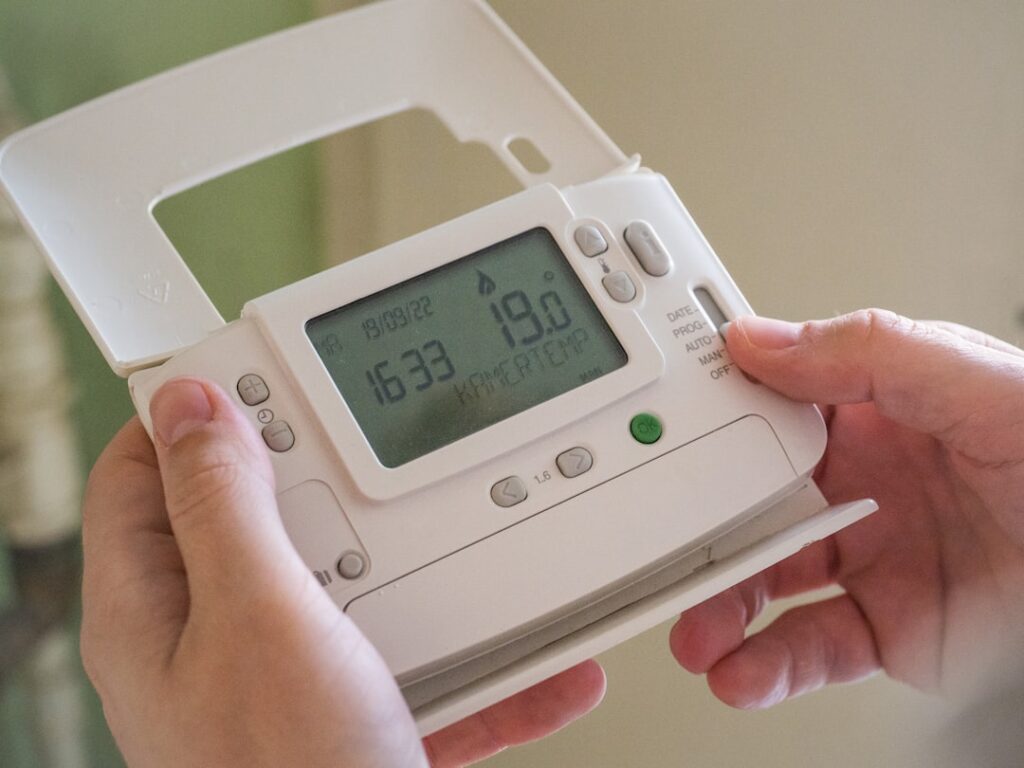
A surprisingly common reason for cooling issues is an incorrect thermostat setting. Make sure the thermostat is set to "cool," and the temperature is lower than the current indoor reading. Older thermostats may lose battery power, so try replacing batteries if you don’t hear a “click” or see the screen dim. Another early and often overlooked step is ensuring that all windows and exterior doors are closed tightly.
Could It Be a Power or Circuit Problem?
If the AC unit won't activate or fan motors are silent, check the electrical panel. Modern systems in Ocean View-area homes often have a dedicated circuit for HVAC. Look for any tripped breakers and reset them once. If it trips again, avoid repeated resets, as this might indicate a deeper electrical issue. Also, inspect the shutoff switch near the air handler or outdoor unit; someone may have accidentally turned it off while cleaning or working nearby.
Have You Checked Your Air Filter Lately?
A clogged filter is one of the most frequent causes of cooling loss during summer. In Ocean View, filters can get dirty quickly, especially in homes close to the coast, where airborne particles and humidity accelerate buildup. Even a relatively thin layer of dust can choke airflow and force the system to run longer, raising utility bills and discomfort.
Check the filter monthly during peak use. Hold it up to a light—if little or no light comes through, it’s time for a replacement. New filters should fit snugly and match the system’s specifications.
Is the Outdoor Unit Blocked or Dirty?
Central systems rely on the outdoor condenser to release heat. As sand, leaves, and airborne debris are common in Ocean View, outdoor units are especially prone to blockages. Step outside and take a look at the unit:
- Make sure plants, weeds, and grass clippings are cleared at least two feet away on all sides.
- Gently rinse fins with a hose if dirt is visibly caked on the surface, but avoid bending them.
- Stay alert for nests or signs of animal damage.
Never open up panels or attempt deep cleaning if you are not familiar with the electrical system—basic outdoor cleaning is safe, but interior work should only be done by those with HVAC expertise.
Are All Vents and Registers Open and Unblocked?
In larger or multi-floor homes, blocked or closed supply vents can restrict air movement to parts of the house. Walk through each living area and confirm that all supply and return vents are unobstructed by rugs, furniture, or drapes. Improper closure is a frequent summer complaint in Ocean View households, especially after a spring cleaning or room rearrangement.
Could Low Refrigerant Be the Cause?
Refrigerant issues are less obvious to the average homeowner but can result in weak cooling, ice forming on refrigerant lines, or hissing sounds near the machine. If you notice ice buildup on the outdoor or indoor lines (thick, persistent frost or ice), turn the AC off and allow it to thaw naturally. In Ocean View’s humid climate, prolonged operation with low refrigerant can damage the system.
Unlike a filter or thermostat adjustment, refrigerant levels and leaks require special equipment and should not be adjusted by anyone without proper certification due to legal and safety requirements.
Does Humidity Make the House Feel Hotter?
Ocean View summers are often muggy, and even a working AC can leave the air feeling sticky. Air conditioners naturally dehumidify, but if they are not running long enough cycles—or if windows are cracked open—humidity may stay high and make rooms uncomfortable. Check the following:

- Avoid running exhaust fans more than necessary, as they can draw moist air back indoors.
- Confirm all exterior doors are tightly closed, especially after guests enter or exit.
- Consider using a standalone dehumidifier if your system struggles on humid days.
Are There Signs of Frozen AC Components?
If your system is blowing air but that air isn’t cool, peek at the indoor and outdoor lines for frost. Common causes of freezing include dirty filters, blocked vents, or low refrigerant. Let the unit thaw completely by shutting it off for several hours, then restart after resolving any airflow problems.
A frozen coil is never caused by simply “working too hard.” Instead, it points to a lack of airflow or a refrigerant issue.
When Should Safety Be a Concern?
Some AC issues in area homes require extra caution. If you smell burning, hear unusual buzzing or popping sounds, or see signs of electrical scorching, it’s important to leave the system off and wait until the problem can be properly assessed. Older Ocean View homes may have aging wiring or older equipment, increasing the likelihood of electrical hazards.
What Steps Help Prevent Future Cooling Issues?
Regular filter changes, periodic rinsing of the outdoor unit, and routine checks for closed vents greatly reduce summertime failures. Noting early warning signs—like reduced airflow, ice buildup, or musty odors—can prevent bigger breakdowns and keep energy costs under control for households across the community.
For those living in the Ocean View area, simple awareness and frequent checks are often enough to restore lost cooling power and keep homes comfortable during the hottest stretches of the year.