

 See My Latest Article on HelloNation
Why Do Energy Bills Go Up in Ocean View, NJ?
High energy bills are a common concern for many Ocean View, NJ households, especially during the extremes of summer and winter. Several factors—ranging from local weather patterns to home insulation quality—contribute to rising utility costs in the community. Knowing which issues are most relevant can help residents make cost-saving choices year-round.
How Does Local Climate Affect Home Energy Costs?
Ocean View, NJ experiences a blend of hot, humid summers and chilly winters. This climate puts pressure on both air conditioning and heating systems, often leading to higher energy use.
- Summer: Air conditioners work longer and harder to keep homes comfortable when humidity and heat are high.
- Winter: Heating systems, especially electric or older units, run frequently and may operate at low efficiency if not well-maintained.
Humidity in particular makes systems work overtime; removing moisture from the air uses additional energy. Residents often notice spikes after heat waves or cold snaps.
Are Heating and Cooling Systems the Main Culprit?
Heating and cooling typically account for the largest share of energy bills in Ocean View homes. Several factors cause these systems to draw more power:
- Aging Equipment: Older HVAC units and window air conditioners often use more energy to deliver the same comfort as newer models.
- Poor Maintenance: Clogged filters, dirty coils, or overdue tune-ups reduce efficiency and force systems to run longer.
- Improper Sizing: Units that are too large or too small for the home’s square footage can waste energy, as they cycle on and off frequently or struggle to meet demand.
Residents sometimes underestimate the impact of routine maintenance, particularly before peak seasons.
How Much Does Insulation Matter?
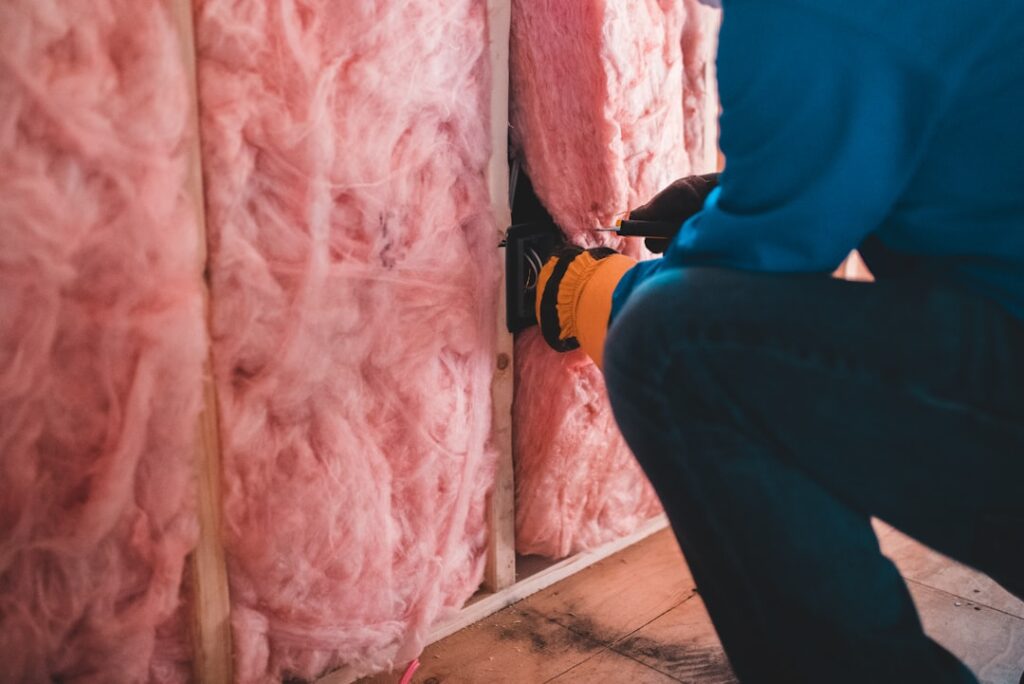
Insulation is often overlooked, but it plays a major role in overall energy efficiency for Ocean View homes. Insufficient attic, wall, or crawlspace insulation allows treated air to escape, making systems work harder to maintain indoor temperatures.
- Older homes in the area, especially those built before modern codes, may have outdated or minimal insulation.
- Drafty windows and doors also contribute to air leaks and increased energy loss.
Even minor upgrades—like weatherstripping or adding attic insulation—can create noticeable savings for local households.
Could Everyday Habits Be Raising Energy Costs?
Daily routines sometimes have a bigger impact than homeowners expect. Common high-usage habits in the area include:
- Running laundry and dishwashers during peak demand hours, when electricity rates may be higher.
- Setting thermostats much lower in summer or higher in winter than necessary for comfortable living.
- Leaving lights and electronics on in unused rooms.
- Frequently opening windows or doors in humid months, letting conditioned air escape.
Small behavior shifts, such as turning off unused devices or adjusting thermostat settings upward by just a degree or two, can add up over time.
How Do Water Heaters Affect Energy Bills?
Hot water heaters, especially electric models, can be a hidden driver of high bills. In the Ocean View area, electric resistance water heaters are common in homes that do not have natural gas service. Reasons for higher consumption include:
- Leaking hot water pipes or fixtures, which keep heaters running continually.
- Older tank-style water heaters with poor insulation.
- Setting the water heater temperature higher than necessary.

Checking for silent leaks or insulating the hot water tank can help manage these costs effectively.
What About Appliances and Electronics?
Even outside of heating and cooling, everyday appliances contribute to a home's power draw. In Ocean View, common issues include:
- Older refrigerators, freezers, or window air conditioners that lack modern energy-saving technology.
- "Vampire loads"—devices that draw a small amount of power even when turned off or in standby mode (such as TVs, game consoles, and phone chargers).
Plugging electronics into a power strip that can be turned off when not in use helps limit unnecessary energy drain.
Can Hidden Problems in the Electrical System Cause Spikes?
Wiring and electrical faults are less common, but still important to consider if high bills persist after other improvements. Potential issues include:
- Faulty thermostats that leave systems running longer than intended.
- Outdated breakers or wiring causing energy loss through heat.
- Devices with malfunctioning motors (like old sump pumps) that run continuously.
These issues often require professional attention, especially if accompanied by flickering lights or unusual system noises.
Are There Seasonal Billing Factors Unique to the Area?
Ocean View utility providers may use seasonal rate structures, charging more for electricity during peak summer months or coldest weeks in winter. Residents who see unusual surges on bills should compare usage during similar months from previous years, as local rate changes sometimes explain part of the difference.
Storms, local infrastructure maintenance, or power outages can also impact meter readings or billing cycles, resulting in unexpected highs that do not actually reflect increased home usage.