

 See My Latest Article on HelloNation
Can an HVAC System Really Help With Allergens?
Yes, your home’s heating and cooling system can play a significant role in reducing airborne allergens. In the Ocean View, NJ region, where homes frequently deal with seasonal pollen, coastal humidity, and dust, your HVAC setup isn’t just about comfort—it can actually improve indoor air quality. By understanding how HVAC systems interact with common irritants, residents can create a healthier living environment.
What Allergens Are Common in Ocean View Homes?
Local households most often contend with:
- Tree and grass pollen, especially in spring and early summer
- Mold spores, which thrive in moist air—common in coastal areas and basements
- Dust and dust mites, especially in older or carpeted homes
- Pet dander
Ocean View’s mix of seasons and proximity to marshlands or the shoreline can mean higher moisture, leading to extra concerns around mold and pollen.
How Should HVAC Filters Be Used Against Allergens?
A clean and effective air filter is the first line of defense. Standard fiberglass filters used mainly to protect equipment won’t capture smaller particles like pollen or mold spores. For homes in Ocean View looking to manage allergies, pleated filters rated MERV 11 or higher can help collect finer particulates.
- Change filters every 1-3 months, especially during high pollen seasons
- If household members have allergies, check filters monthly
- Never run the system with a missing or improperly fitted filter
Misconception: It’s a common myth that a higher MERV rating is always better. Some home systems can’t handle very dense filters because they reduce airflow, making the equipment work harder and possibly reducing efficiency or lifespan. Check what your system can accommodate safely.
Should I Run the Fan Continuously or Only With Heating/Cooling?
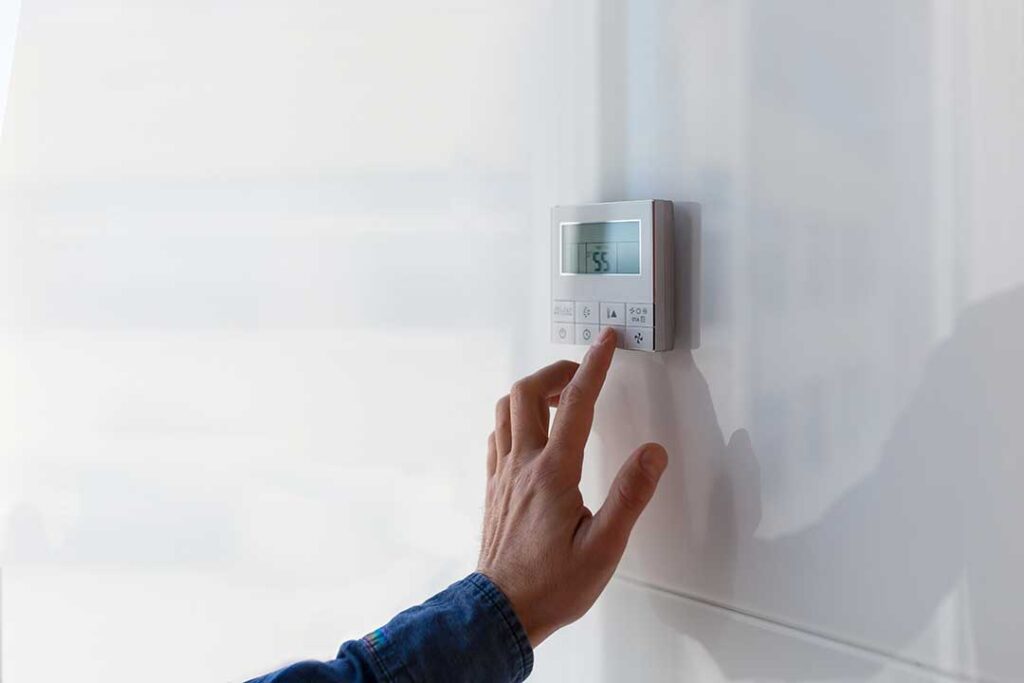
Setting the HVAC fan to run continuously can help circulate air through the filter more often, removing more particles. However, in Ocean View’s humid summers, running the fan non-stop may also keep moving moisture through the system, potentially fostering mold growth inside ductwork if not kept dry.
Practical strategy:
- During high pollen days, running the fan for a few hours at a time (rather than 24/7) can capture more allergens
- If your system has a “circulate” setting, use it to turn the fan on intermittently
Are Ducts and Vents a Source of Indoor Allergens?
Ductwork can harbor dust, mold, or even pollen if not properly sealed or maintained. In some houses around the area—especially those with crawl spaces or older duct insulation—damp conditions contribute to recurring mold. Signs there may be a duct problem include musty smells when the system starts, visible dust puffs from vents, or unexplained allergy symptoms.
Routine visual checks of vents and accessible duct sections matter. Professional duct cleaning may be suggested if a visible mold problem or excessive dust buildup is found, but routine cleaning is not always necessary if there’s no strong evidence of contamination.
How Does Humidity Control Affect Allergens?
Using your HVAC system’s capabilities to control indoor humidity is vital in Ocean View, where muggy days aren’t rare. High humidity encourages mold and dust mites, while low humidity can make pollen and dander more airborne.
- Ideal indoor humidity falls between 35% and 50% for most homes
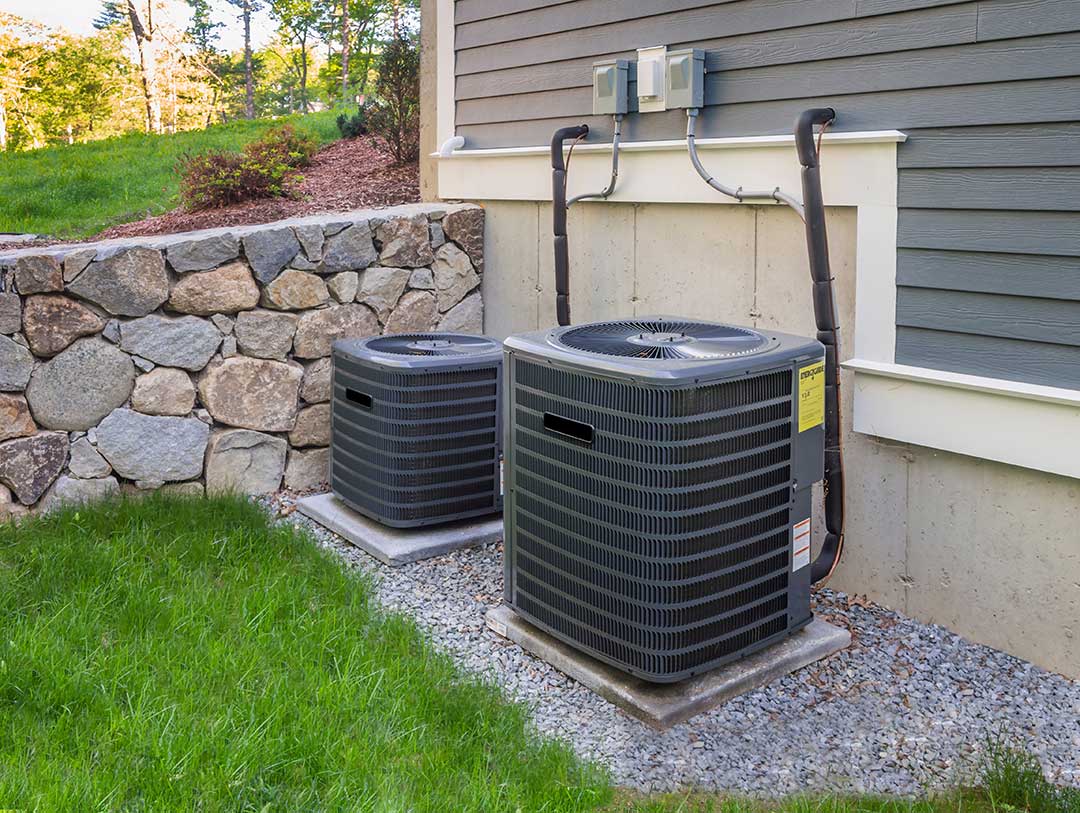
- Central air conditioning helps reduce moisture; use during damp seasons
- In winter, using a humidifier may prevent air from becoming too dry, but be careful not to over-humidify
If your home experiences persistent high humidity—even with the air conditioner running—there may be issues with system sizing or local insulation that need attention.
Can Upgrading to Advanced HVAC Solutions Help?
Some homes now consider add-ons like whole-house air purifiers or UV lights. These devices can inactivate some bacteria and mold spores, but results depend on proper installation and matching the solution to your home’s needs. Standalone portable air cleaners are more appropriate for single rooms, while whole-house options attach to existing systems.
For newly constructed homes or major remodels in Ocean View, integrating ventilators that bring in filtered outdoor air can help manage both allergens and excess moisture, improving air quality beyond what filtration alone can accomplish.
What Everyday Habits Support a Cleaner Home With HVAC?
Beyond equipment upgrades, small adjustments in daily routines can make a difference:
- Keep windows and doors closed on high pollen days, especially if the system is running
- Vacuum regularly with a HEPA-filter vacuum to cut down on dust and dander
- Address leaks or damp spots quickly to discourage mold growth
- Schedule regular checkups for your heating and cooling system—ensuring everything is working as it should
What’s Frequently Overlooked by Ocean View Residents?
Many focus on filters but forget the importance of airflow balance and house sealing. Gaps in doors or ducts allow outside air and allergens to enter; homes with large temperature swings between rooms may have leaky ducts or airflow problems affecting comfort and air quality.
Another common oversight: forgetting to adjust HVAC settings when the seasons change. Switching fan settings, verifying filter fit, and updating schedules for day and night use keeps the system working with—not against—Ocean View’s outdoor conditions.