

 See My Latest Article on HelloNation
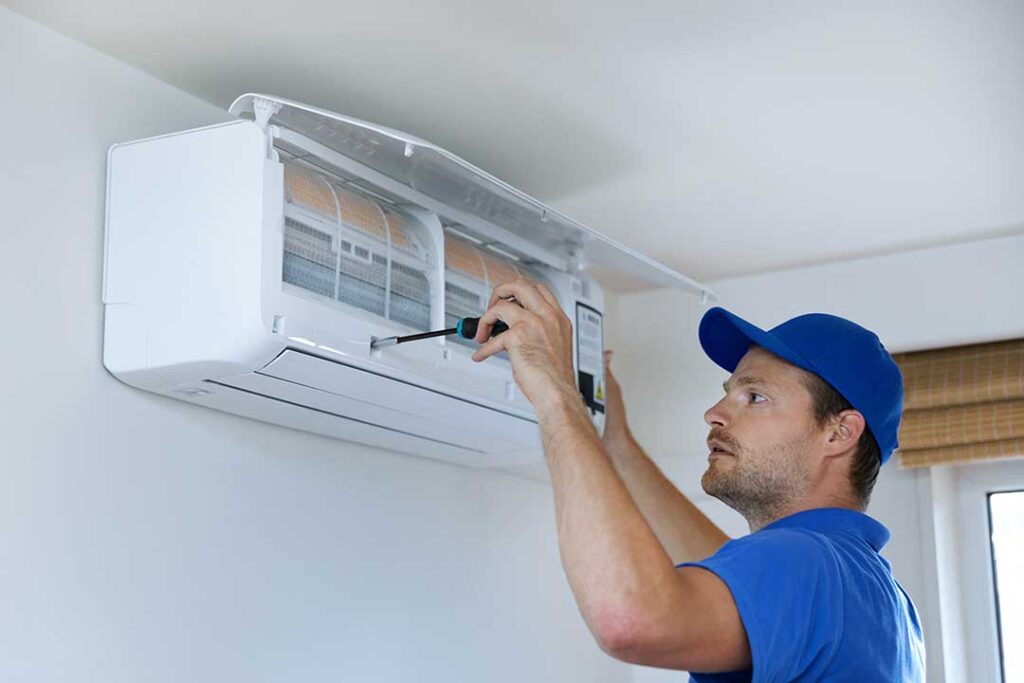
What Is a Heat Pump?
A heat pump is a type of climate control system that provides both heating and cooling by moving heat rather than generating it. Unlike traditional furnaces or air conditioners—which create heat or cold air—a heat pump transfers warmth from one place to another, making it highly efficient for homes. This technology can be particularly useful for the seasonal swings in Ocean View, NJ, where summers can be humid and winters bring chilly temperatures.
How Does a Heat Pump Work?
The basic principle behind a heat pump is the transfer of heat from a cooler area to a warmer one using a refrigeration cycle—similar to how a refrigerator or air conditioner operates.
- In summer, a heat pump pulls heat from inside the home and moves it outdoors, cooling indoor spaces.
- In winter, the process reverses: the system draws even small amounts of heat from outside air (or ground, depending on the type) and brings it indoors.
This process is made possible by circulating a refrigerant through a series of coils and a compressor. As the refrigerant absorbs and releases heat, it enables the system to move warmth where it's needed. Most residential models in coastal regions like Ocean View use air-source heat pumps, which exchange heat with the outside air.
Why Do Residents in Ocean View, NJ Consider Heat Pumps?
Heat pumps are gaining attention in Ocean View as the climate brings moderate winters and muggy summers. Area homeowners appreciate that one system can manage both heating and cooling, often with lower energy use compared to traditional options.
Other locally relevant reasons include:
- The system's ability to efficiently dehumidify during muggy summer spells.
- No need for separate heating and cooling setups.
- Electric operation, which can be appealing for those seeking to reduce fossil fuel consumption.
What Are the Main Types of Heat Pumps?
There are three primary types of heat pumps, and each functions using the same underlying technology:
- Air-source heat pumps (most common in Ocean View homes): Transfer heat between indoor air and the outside air.
- Ground-source (geothermal) heat pumps: Use the earth’s relatively stable temperature to exchange heat.
- Ductless mini-split heat pumps: Ideal for homes without central ductwork, offering room-by-room control.
For most existing homes in the city, air-source models are the most practical due to the local climate and typical construction styles.
How Efficient Are Heat Pumps in the Local Climate?
Heat pumps are well-suited to the weather patterns found along the coast. Because Ocean View rarely experiences prolonged or extreme freezes, modern air-source models can usually provide sufficient warmth through the winter months. During peak cold snaps, these systems may require a backup heat source—but for most days, they run efficiently.
Key factors influencing efficiency in this region:
- Insulated homes preserve the warmth a heat pump provides, making it easier for the system to keep spaces comfortable.
- Dehumidification during humid stretches is a strong bonus—a heat pump can help lessen that sticky indoor feeling common in summer.
- The mild, coastal winters mean the system doesn't struggle to find heat outside, which is sometimes a limitation further inland or in colder states.
How Do Heat Pumps Compare to Traditional Heating and Cooling?
Residents often ask if a heat pump can truly replace a furnace or conventional air conditioner. For many homes in Ocean View:
- Heat pumps offer one system for both cooling and heating.
- They tend to run more efficiently, particularly when moderate temperatures are the norm.
- Unlike combustion furnaces, heat pumps do not burn fuel inside the home, reducing associated safety risks like carbon monoxide buildup.

In very old homes with limited insulation, or during extended cold snaps, supplemental heating (like electric resistance elements inside the heat pump, or a backup system) may be required for total comfort.
Common Misconceptions About Heat Pumps
A few ideas about heat pumps persist locally but deserve correction:
- “Heat pumps don’t work in cold weather.” Modern models designed for variable climates remain effective at surprisingly low outdoor temperatures, especially in regions that don’t often drop far below freezing.
- “They only provide cooling or heating, not both.” All standard heat pumps are reversible—they can switch between modes, depending on the season.
- “Installing a heat pump means pulling out all old equipment.” In many Ocean View homes, existing ductwork or electrical setups work well with new systems, though some older properties may need updates for best results.
Routine Heat Pump Maintenance Tips for Local Homes
Reliable operation depends on some basic regular care, which most residents can do themselves:
- Check and clean (or replace) filters every one to three months.
- Clear leaves and debris from around the outdoor unit for good airflow.
- Make sure supply and return vents inside remain unblocked by furniture or drapes.
Annual service by a trained professional for refrigerant checks and deeper cleaning is generally recommended, especially in coastal areas where salt and sand can lead to corrosion over time.
When Should Safety Be a Concern?
While heat pumps run on electricity and pose different risks than gas or oil heating, certain situations do require expert handling:
- Electrical issues, strange noises, or refrigerant leaks should always be addressed by a qualified technician.
- Major installation, modifications, or repairs involving wiring and pressurized refrigerants fall outside typical DIY skills and require proper certification by law.