

 See My Latest Article on HelloNation
What Is a Ductless Mini Split System?
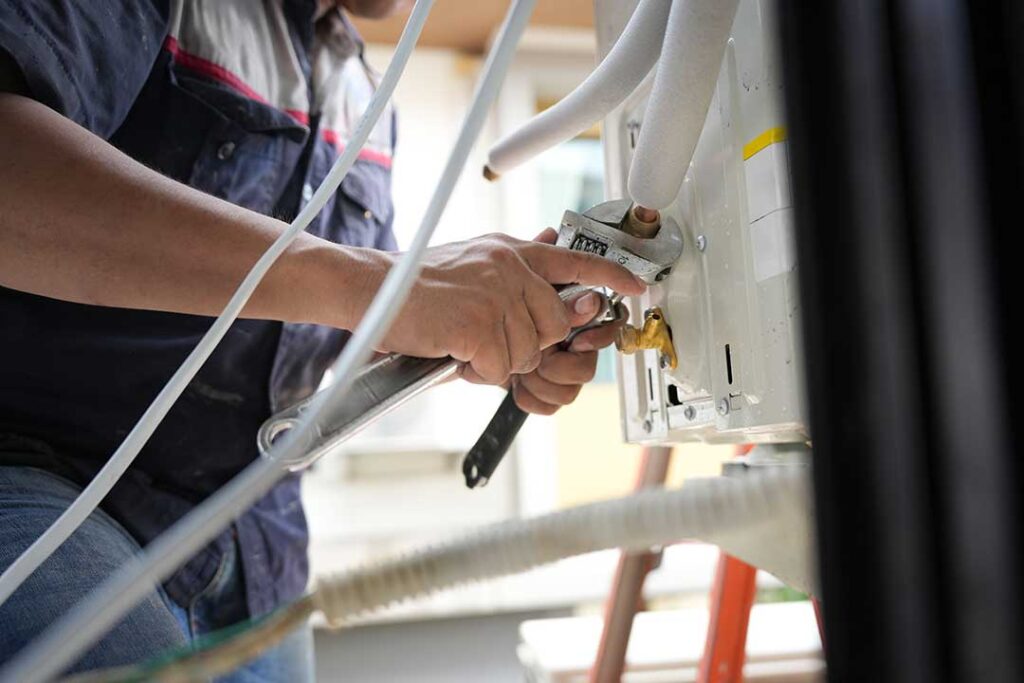
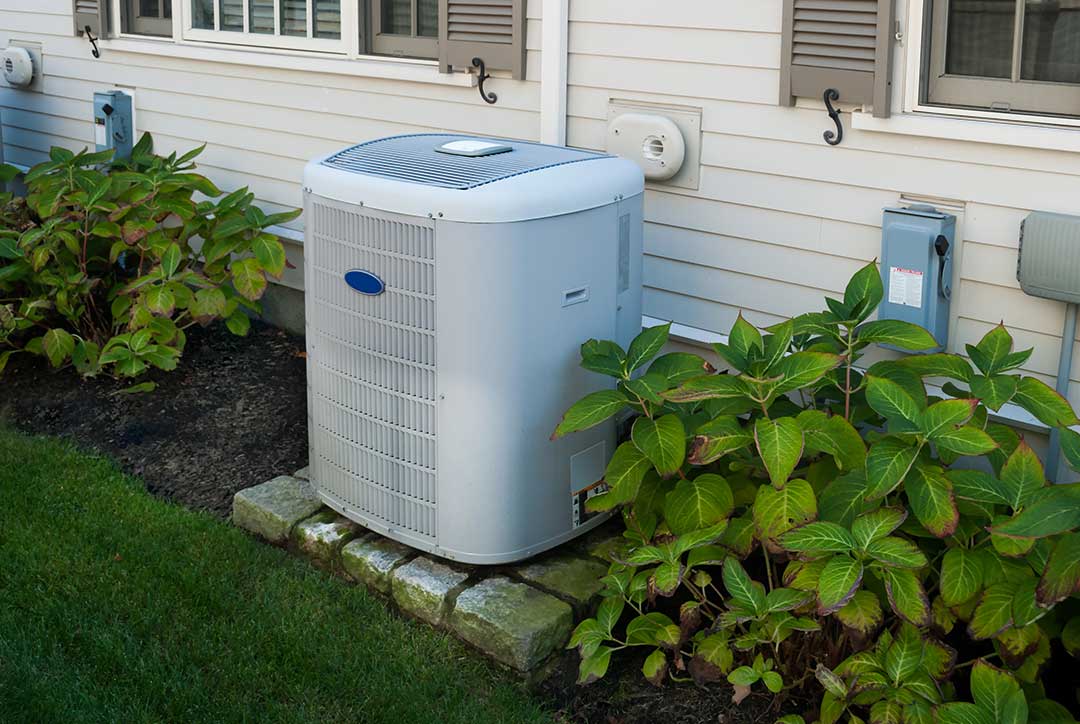
A ductless mini split system is a type of heating and cooling solution that doesn’t require traditional air ducts. Instead, it uses an outdoor compressor and one or more indoor wall-mounted units connected by small refrigerant lines. This setup provides targeted control over the temperature of individual rooms or zones in a home.
In Ocean View, NJ, area households often encounter homes without forced air ductwork, especially in older or seasonal properties, making mini splits a common consideration.
Why Are Ductless Mini Splits Popular in Ocean View?
Ductless systems are attractive in the area due to the diverse housing stock and strong seasonal swings. Summer humidity, chilly winters, and renovations of older or smaller homes without central ducts mean homeowners frequently look for flexible, efficient ways to manage comfort year-round.
How Do Ductless Mini Splits Perform in Local Climate Conditions?
Ductless mini splits are well-suited for the temperature range and seasonal transitions found in Ocean View. Most modern systems can both heat and cool, using heat pump technology.
For summer, the systems efficiently keep interior spaces cool even during humid stretches. In winter, recent models remain effective during cold snaps, although their performance may dip in severe, prolonged freezes. Supplemental heat may be needed on the coldest days for homes relying solely on ductless heat.
What Are the Main Advantages for Area Households?
Ductless mini split systems offer several practical benefits, particularly for Ocean View residents:
- *No Ductwork Needed*: Perfect where retrofitting space for ducts is difficult or would be expensive, such as additions, cottages, or older homes.
- *Zone Control*: Different rooms can have separate temperature settings, which is useful for households where rooms are used at different times or preferences vary.
- *Energy Efficiency*: With no duct losses and variable speed compressors, many systems are more efficient and reduce utility bills.
- *Quiet Operation*: Indoor units are typically quieter compared to older window air conditioners or baseboard heating.
- *Quick Installation*: Compared to installing ductwork, these systems can often be put in place in a day or two.
What Are Common Drawbacks and Considerations?
While ductless mini splits have many strengths, they’re not always the perfect solution for every local home or household:
- *Initial Cost*: Upfront installation costs tend to be higher than window units or baseboard heaters, though lower than a full central HVAC retrofit with duct installation.
- *Aesthetics*: Indoor units are visible on walls or ceilings, which some homeowners find less appealing than hidden vents.
- *Limited Heating in Extreme Cold*: While effective for most Ocean View winter temperatures, extended cold snaps can reduce heat output. Some homes may need an additional backup heat source.
- *Electrical Needs*: New wiring or upgraded panels may be necessary, especially in older homes.
- *Ongoing Maintenance*: Regular cleaning of filters and periodic servicing are needed to maintain efficiency and reliability.
- *No Fresh Air Ventilation by Default*: Standard models recirculate indoor air but don’t bring in fresh outdoor air unless a separate ventilating option is added.
Are There Situations Where Mini Splits Make Less Sense Locally?
Mini splits may be less ideal when:
- The entire home already has ductwork and a central system is functioning well; upgrading to a newer central unit could be simpler.
- Very large open-concept homes may require multiple indoor heads, reducing simplicity and cost savings.
- For those who strongly dislike the look of visible indoor units, or in homes where wall space is limited, the required placement might not fit the homeowner’s vision.
Are There Misconceptions About Ductless Mini Splits in the Community?
A frequent misconception is that mini splits only cool or are just for small spaces. Most modern systems can both heat and cool, and multi-zone systems work well for whole-house comfort—so long as they are correctly sized and installed. Another common misunderstanding is that mini splits are always expensive to run. In reality, they can significantly cut operating costs when replacing baseboard electric heat or inefficient window units.
What to Know About Local Installation and Regulations
In Ocean View, homeowners should be aware of:
- *Permitting requirements*: Any major HVAC project may require permits and inspections for safety and code compliance.
- *Placement considerations*: Locally, outdoor units must be sited with flood risk and salt air in mind, especially near the shore.
- *Noise standards*: Noise ordinances may impact outdoor compressor placement in denser parts of the community.
Practical Tips for Ocean View Homeowners Considering Ductless Mini Splits
- Assess where you spend the most time indoors and if temperature needs differ by area or season.
- Plan for backup heat in rooms used daily during the coldest months.
- Factor in the potential need for dehumidification during humid stretches—many mini splits can help, but check specific model capabilities.
- Remember to plan indoor unit locations for both function and appearance before installing.
A careful evaluation of both the advantages and limitations of ductless mini split systems can help residents make decisions that balance comfort, efficiency, and long-term value within Ocean View’s unique housing landscape.