

 See My Latest Article on HelloNation
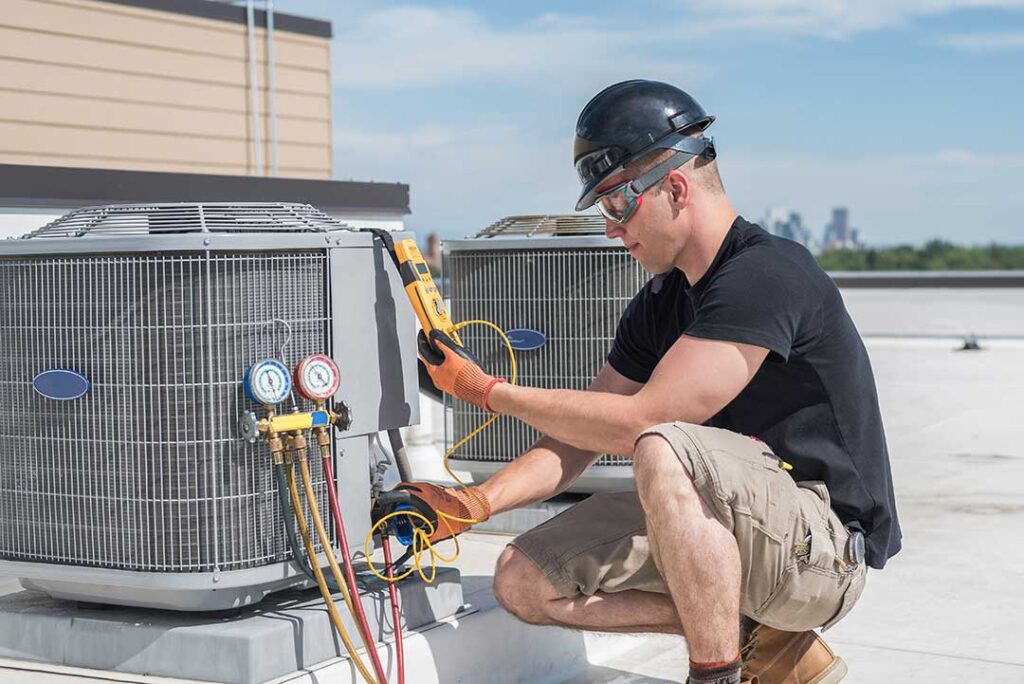
An HVAC inspection is a practical check of a home’s heating, cooling, ventilation, and safety systems. In Ocean View, NJ, inspections are especially useful before periods of heavy summer humidity or winter heating demand, when small problems can become comfort, air-quality, or safety concerns.
An inspection is not always the same as a repair visit or a full system tune-up. The purpose is to evaluate how the equipment is operating, identify visible or developing problems, and explain which issues require attention now versus later.
What does an HVAC inspection include?
A typical inspection covers the main equipment, connections, airflow, controls, and safety components. The exact process depends on whether the home uses a furnace, boiler, heat pump, central air conditioner, ductless system, or a combination of systems.
The inspection may include:
- Reviewing the age, type, and operating history of the equipment
- Checking filters, belts, wiring, electrical connections, and access panels
- Testing the thermostat and system controls
- Examining supply and return airflow
- Looking for unusual noise, vibration, corrosion, leaks, or signs of overheating
- Inspecting accessible ductwork, refrigerant lines, drain lines, and insulation
- Checking outdoor equipment for blocked airflow, debris, or weather-related wear
- Measuring temperatures, electrical readings, or other operating conditions
- Testing safety controls and, where applicable, combustion or carbon monoxide risks
The inspection should explain what was observed rather than simply provide a pass-or-fail result.
What happens first?
The visit usually begins with questions about comfort and system behavior. Residents may be asked whether certain rooms feel too warm or cold, whether the system cycles frequently, or whether there have been recent odors, noises, water stains, or increases in energy use.
The equipment’s age and maintenance history also matter. A system that has received regular filter changes may need a different level of attention than one that has been unused for months or operated in a dusty environment.
The inspector may operate the system in both heating and cooling modes if conditions allow. During mild weather, testing both modes may not be practical for every system, but the controls and accessible components can still be evaluated.
How is the indoor equipment checked?
For indoor equipment, the inspection generally focuses on cleanliness, airflow, electrical condition, drainage, and safe operation.
With a furnace or air handler, the inspection may include the blower assembly, filter area, wiring, fan motor, heat exchanger area, and condensate drain. A restricted filter or dirty blower can reduce airflow and make the system work harder. A clogged drain can cause water to collect around the indoor unit or trigger a safety shutoff.
For a boiler, the inspection may include the burner, circulator, expansion tank, pressure readings, relief valve, visible piping, and controls. Radiator or baseboard performance may also be discussed if some rooms are not heating evenly.
The inspection may reveal a maintenance need without indicating an immediate failure. For example, surface dust, minor corrosion, or an aging electrical component may deserve monitoring or planned service even if the system is currently running.
What is checked outside?
Outdoor equipment must have enough open space to release or absorb heat. The inspection typically looks for leaves, grass, dirt, damaged panels, bent coil fins, loose covers, and obstructions near the unit.
In coastal areas and other humid environments, outdoor equipment may experience more moisture exposure and corrosion than residents expect. Salt-laden air, wet leaves, storm debris, and poor drainage can gradually affect cabinets, fasteners, coils, and electrical connections.
The inspector may also check whether the outdoor unit is level and whether refrigerant lines are properly insulated. A unit that is heavily blocked or surrounded by overgrown vegetation can have reduced performance even when the thermostat appears to be working normally.
Are ducts, vents, and airflow tested?
Usually, yes, at least in accessible areas. An HVAC inspection may identify disconnected ducts, crushed flexible ductwork, leaking seams, blocked returns, or supply registers that are closed or obstructed by furniture.
Airflow problems are often mistaken for equipment problems. If a bedroom remains uncomfortable while the rest of the home feels normal, the cause may involve duct leakage, inadequate return air, insulation gaps, or an imbalanced system rather than a failed furnace or air conditioner.
Not every inspection includes a complete duct leakage test. If a detailed measurement is needed, that should be explained separately so residents understand what was and was not evaluated.
What safety issues are reviewed?
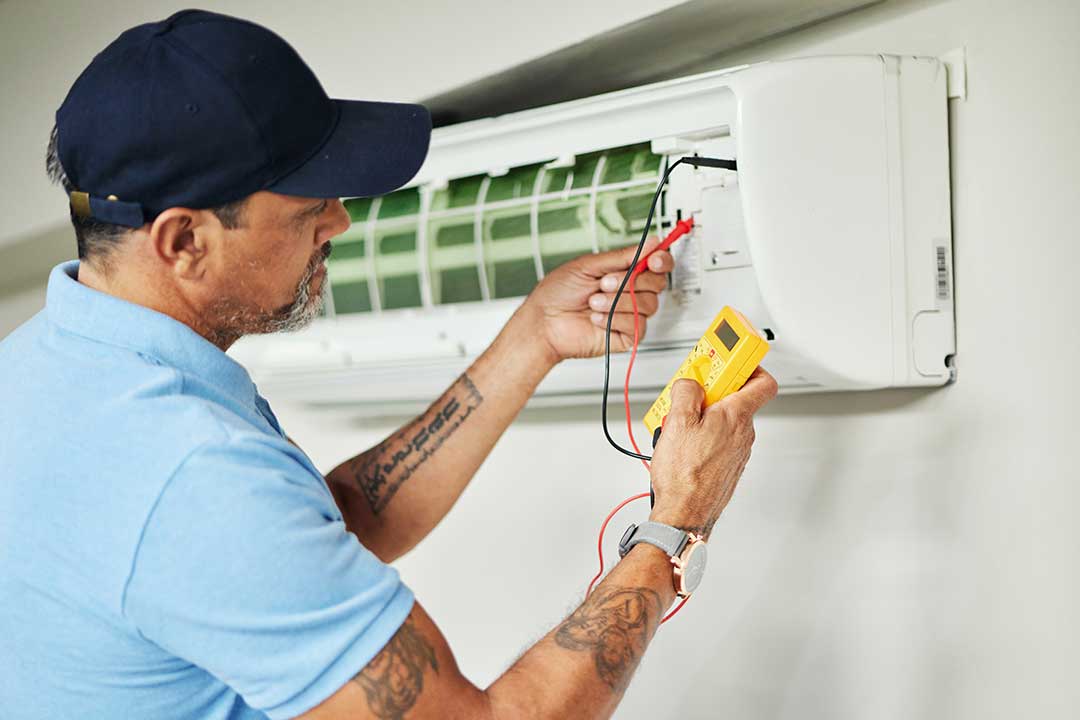
Safety checks are a central part of inspecting fuel-burning heating equipment. A furnace, boiler, or other appliance that burns natural gas, propane, oil, or another fuel must vent combustion byproducts properly.
The inspection may look for damaged vent connectors, blocked flues, poor draft, flame irregularities, rust, and signs of combustion problems. Carbon monoxide testing may also be performed near fuel-burning equipment or in nearby living areas.
Carbon monoxide is colorless and odorless, so a working alarm is an important safeguard. Alarms should be installed and maintained according to New Jersey requirements and manufacturer instructions. An alarm that sounds, a strong fuel odor, visible soot, or suspected venting failure should be treated as an urgent safety issue rather than a routine maintenance concern.
What should residents prepare before the inspection?
A few simple steps can make the inspection more useful:
- Make a list of rooms with uneven temperatures
- Note unusual sounds, smells, short cycling, or repeated shutdowns
- Replace a severely dirty filter only if it is safe and straightforward to do
- Keep access to indoor and outdoor equipment clear
- Locate prior service records, installation documents, or warranty information
- Mention recent flooding, storm damage, renovations, or extended periods when the system was off
Residents should not remove panels, test gas connections, or attempt electrical repairs before an inspection. Those tasks can create hazards and may hide the original symptoms.
What does an inspection report usually explain?
A useful report separates findings into categories such as safety concerns, operating problems, maintenance needs, and items to monitor. It should identify the equipment inspected and describe any limitations, such as inaccessible ductwork or a heating mode that could not be tested during warm weather.
The report may also include measurements, photos, recommended time frames, and whether a problem affects comfort, efficiency, reliability, or safety. Residents should be able to distinguish between a component that has failed, one showing wear, and one that is simply dirty or out of adjustment.
An inspection does not guarantee that equipment will never fail. It provides a snapshot of current condition and can help identify concerns before a heating or cooling system is needed during the most demanding part of the season.
How often should an HVAC system be inspected?
Many homes benefit from an inspection or preventive maintenance visit at least once a year, with heating equipment checked before winter and cooling equipment reviewed before summer. Homes with older systems, fuel-burning appliances, pets, renovation dust, moisture problems, or frequent comfort complaints may need more frequent attention.
Filters still require regular household attention. Checking them monthly during periods of heavy use is a practical habit, although the correct replacement schedule depends on the filter type, system design, indoor air conditions, and manufacturer instructions.
For area households, planning before the first major heat wave or cold spell generally provides more useful information than waiting until the system stops working. A careful inspection should leave residents with a clear understanding of what is operating normally, what needs correction, and which concerns deserve priority.