

 See My Latest Article on HelloNation
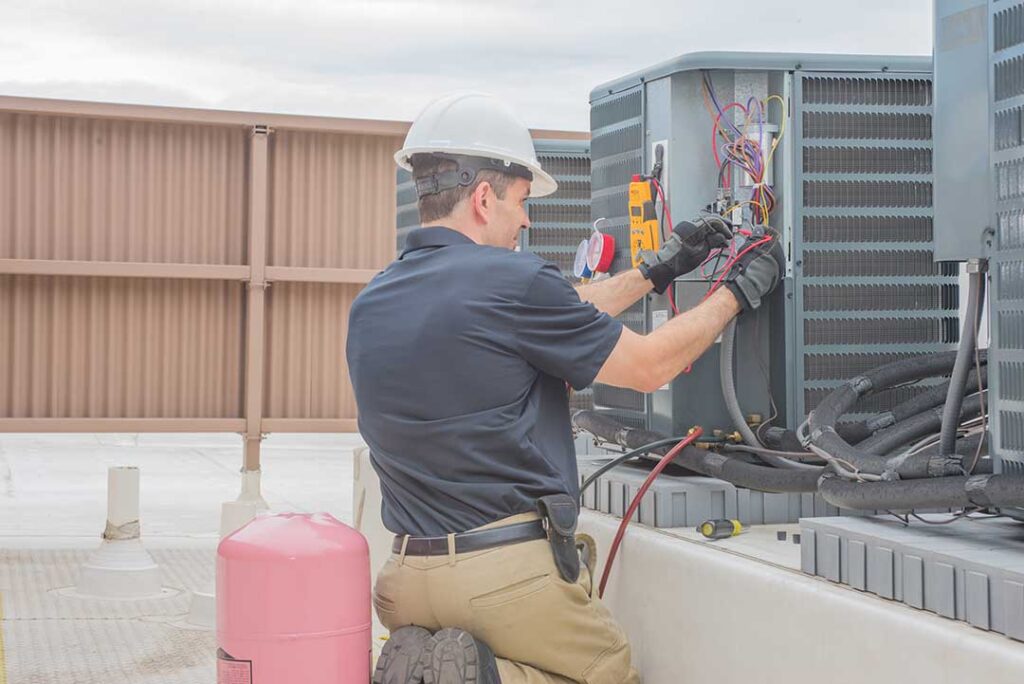
Cleaning an outdoor air-conditioning unit can improve airflow and help the system operate more efficiently, but only when the work is done carefully. The safest routine involves turning off electrical power, removing loose debris, gently rinsing the outdoor coil, and avoiding actions that can bend the fins or damage electrical components.
Why does an outdoor AC unit need cleaning?
An outdoor condenser unit releases heat collected from inside the home. Its metal coil and surrounding fins need open airflow to work properly. Leaves, grass clippings, pollen, dust, and cotton-like seed material can collect around the cabinet and restrict that airflow.
In Ocean View, NJ, seasonal pollen, coastal moisture, summer humidity, and windblown debris can make outdoor units dirty sooner than homeowners expect. Units near shrubs, fences, decks, or unpaved areas may also collect more material around the coil.
A dirty unit may show signs such as:
- Longer cooling cycles
- Reduced airflow from indoor vents
- Higher electricity use
- Warm air coming from the indoor system
- Unusual operating sounds
- Ice forming on the indoor or outdoor refrigerant lines
Cleaning can address surface dirt and debris, but it cannot correct refrigerant leaks, electrical faults, failed motors, or internal mechanical problems.
What should be done before cleaning?
Turn the air conditioner off at the thermostat, then disconnect power to the outdoor unit. The disconnect is usually located in a weatherproof box near the condenser. Depending on the installation, it may contain a pull-out block, switch, or circuit breaker.
After disconnecting power, wait several minutes before touching the unit. Some electrical components can retain a charge even after the system stops operating. Never remove electrical access panels or handle wiring as part of routine cleaning.
Before starting, gather:
- A garden hose with a gentle spray setting
- Work gloves
- Safety glasses
- A soft brush or plastic hand brush
- A household screwdriver, if needed for a top grille or side panel
- A bucket or bag for leaves and loose debris
Do not use a pressure washer. High-pressure water can bend the fins, force water into electrical areas, and damage the coil.
How should loose debris be removed?
Begin by clearing debris from the area around the condenser. Remove leaves, twigs, grass, paper, and other loose material by hand while wearing gloves. Keep the area around the unit open, especially near the sides where air enters.
Do not pull aggressively on vines or plant growth that has become tangled in the cabinet. Cut it away carefully instead. Avoid using a leaf blower directly against the coil because strong airflow can push debris deeper between the fins.
If the unit has a top grille with leaves resting on it, remove those materials gently. Do not place tools, containers, or heavy objects on top of the condenser.
Maintain adequate clearance around the unit after cleaning. Shrubs and ornamental plants should not crowd the cabinet. Trimming nearby vegetation can reduce future buildup, but branches should not be allowed to rub against the unit or block the fan discharge at the top.
How do you rinse the outdoor coil without causing damage?
The outdoor coil should generally be rinsed from the inside outward when the cabinet design allows safe access. This helps push dirt back in the direction it entered rather than forcing it deeper into the coil.
For a basic surface cleaning:
1. Confirm that electrical power is off.
2. Remove the top grille only if it can be done safely without disturbing wiring or the fan assembly.
3. Use a garden hose with low pressure.
4. Spray from the inside of the coil outward, working from the top toward the bottom.
5. Rinse each accessible section until the water runs mostly clear.
6. Allow the unit to drain and dry before restoring power.
If removing the grille would expose wiring, a capacitor, or other electrical parts, leave it in place. Spray from the outside with a gentle stream and avoid directing water toward the electrical compartment.
The aluminum fins are thin and easily bent. Do not scrub them forcefully, scrape them with a metal object, or use a stiff wire brush. Bent fins restrict airflow and can make the unit harder to clean.
Should coil cleaner or household chemicals be used?
Routine outdoor cleaning usually does not require chemical coil cleaner. Water is often sufficient for loose dirt, pollen, and grass residue.
Avoid bleach, household degreasers, drain cleaner, vinegar mixtures, and other improvised chemicals. These substances may corrode metal, damage protective coatings, harm nearby plants, or create irritating runoff. If a coil is heavily contaminated with grease, mold-like growth, or compacted dirt, using a specialized coil-cleaning product requires following the product label carefully and protecting electrical components.
Foam cleaners should never be sprayed casually into the cabinet. Some products are intended only for specific coil types or indoor equipment.
What mistakes should homeowners avoid?
Several common cleaning methods create more risk than benefit:
- Skipping the electrical shutoff: The outdoor fan can start unexpectedly if the thermostat calls for cooling.
- Using a pressure washer: High pressure can flatten fins and damage the coil.
- Spraying directly into electrical controls: Water can enter contactors, wiring compartments, or the compressor terminals.
- Straightening fins with a knife or screwdriver: This can puncture the coil.
- Covering the unit tightly in summer: The condenser needs unrestricted airflow while operating.
- Cleaning only the visible front side: Dirt may remain packed between the fins.
- Running the unit immediately after washing: Let excess water drain first and confirm that panels are secure.
- Ignoring ice or poor cooling: These symptoms may indicate a problem that cleaning alone will not solve.
A light layer of dust is not always an emergency. The goal is to restore reasonable airflow without dismantling the system unnecessarily.
How often should the unit be cleaned in this area?
A practical schedule is to inspect the outdoor unit in spring, again during the cooling season, and after major storms. Light debris can be removed whenever it appears. A more thorough rinse is commonly useful before heavy summer use, provided the equipment is in safe condition.
Homes near mature trees, open fields, construction activity, or the coast may need more frequent inspections. After mowing, keep grass clippings away from the condenser. During fall, check the cabinet regularly because wet leaves can compact against the coil.
The unit should not be operated with a winter cover installed unless the equipment manufacturer specifically permits that arrangement. Covers can trap moisture and may interfere with safe operation if left in place.
When is cleaning not a do-it-yourself task?
Stop cleaning and leave the system powered off if the condenser has exposed or damaged wiring, a burned odor, severe corrosion, a leaking refrigerant line, a damaged fan blade, or a loose electrical panel. Also stop if the coil is crushed, the cabinet is unstable, or the unit repeatedly trips the circuit breaker.
Professional evaluation is warranted when the system does not cool after cleaning, develops ice, makes grinding or buzzing sounds, leaks water or refrigerant, or starts and stops repeatedly. Those conditions involve components beyond ordinary homeowner maintenance and may create electrical or mechanical hazards.
For routine care, safe cleaning means improving airflow without opening sealed electrical compartments, applying excessive force, or treating a symptom as though it were a complete repair.