

 See My Latest Article on HelloNation
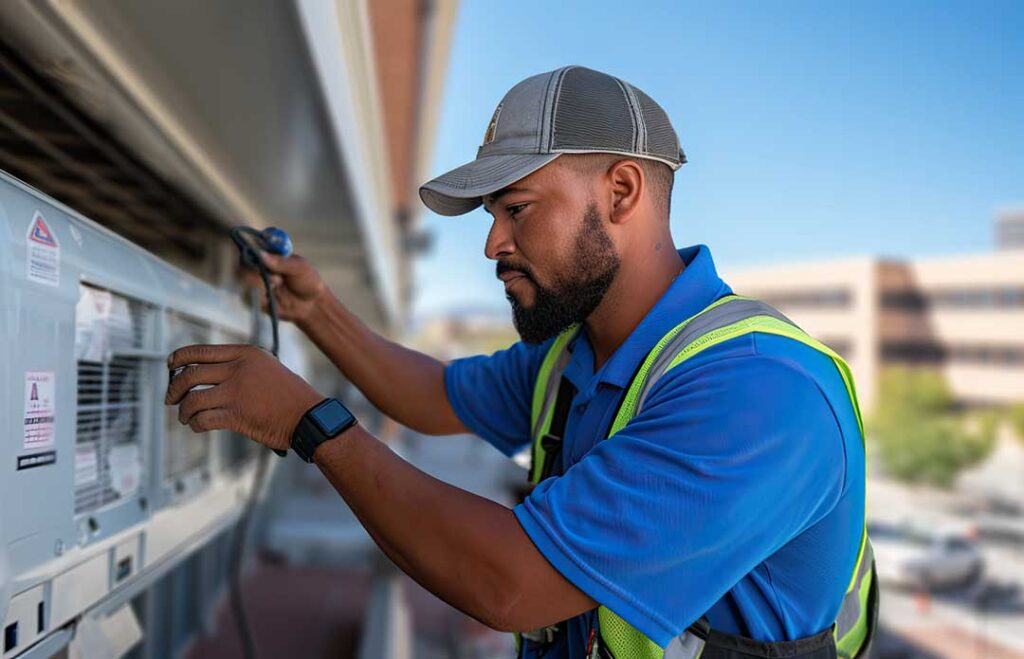
Storms can damage heating and cooling equipment through wind, lightning, flooding, flying debris, and sudden power changes. In Ocean View, NJ, households may need to prepare for summer thunderstorms, tropical weather, nor’easters, heavy rain, and winter outages.
Protecting an HVAC system starts before severe weather arrives and continues after the storm has passed. The safest approach is to reduce electrical risk, keep outdoor equipment clear, prevent water exposure, and avoid restarting equipment until conditions are safe.
What should be done before a storm?
Before severe weather arrives, inspect the area around the outdoor air-conditioning or heat-pump unit. Remove loose objects that could become airborne, including patio items, lightweight planters, toys, tools, and unsecured decorations. Flying debris can bend coil fins, damage fan blades, or strike electrical components.
Keep grass, leaves, branches, and other yard waste away from the unit. Vegetation should not be allowed to block airflow or press against the cabinet. Do not place a tarp, plastic sheet, or other covering directly over an operating outdoor unit. An airtight cover can trap moisture and restrict ventilation.
If a storm is expected to bring strong wind, heavy rain, or flooding, locate the HVAC system’s electrical disconnect and main electrical panel in advance. Knowing where these controls are located can prevent confusion during an outage. Do not open electrical equipment outdoors if the area is wet or standing water is present.
Homeowners should also check that condensate drain outlets are not blocked by leaves or soil. A clogged drain can cause water to back up during periods of high humidity or heavy rainfall. The drain should be cleared only when it can be done safely without contacting electrical components.
Should the HVAC system be turned off during a storm?
Turning off the air conditioner or heat pump before a severe storm can reduce the chance of damage from power interruptions and electrical surges. The thermostat can be set to “off,” and the system’s disconnect may be turned off if it can be reached safely in dry conditions.
A thermostat setting alone does not always remove power from every component. For stronger storms, especially those involving lightning or repeated utility interruptions, shutting off the dedicated outdoor disconnect may provide additional protection. The disconnect should never be handled while standing in water or when the enclosure appears damaged.
Do not attempt to disconnect equipment during an active lightning event if reaching the panel requires going outdoors. Personal safety takes priority over protecting the system.
Portable generators require special caution. A generator should never be connected directly to a household outlet or HVAC circuit unless the home has a properly installed transfer system. Improper connections can send electricity back through utility lines and create a serious hazard.
How can HVAC equipment be protected from flooding?
Water exposure is one of the most serious storm risks for heating and cooling equipment. Outdoor air conditioners and heat pumps may be damaged by floodwater, mud, salt-contaminated water, or debris even if the cabinet appears intact afterward.
Never operate an HVAC unit that has been partially or fully submerged. Do not turn it on to “see if it works.” Water may remain inside electrical controls, motors, capacitors, wiring, or refrigerant-related components. Energizing wet equipment can cause electric shock, fire, or additional damage.
Indoor equipment also needs protection. In homes with basements, crawl spaces, utility rooms, or low-level mechanical areas, heavy rain can overwhelm drainage systems and allow water to reach furnaces, air handlers, boilers, or electrical controls. Keep storage boxes and household items away from equipment so water can be seen quickly and does not remain trapped around the cabinet.
If water reaches HVAC equipment, shut off power from a dry location if possible. Avoid touching the unit, nearby wiring, or standing water. Flood-damaged equipment should be evaluated before any attempt is made to restore operation.
What should be done after a power outage?
After an outage, wait until utility service appears stable before restarting HVAC equipment. Repeated short interruptions can be harder on motors and controls than a single long outage.
Before turning the system back on, inspect the outdoor unit for:
- Fallen branches or debris
- Bent or damaged cabinet panels
- Standing water or mud
- Broken fan blades
- Loose wiring or visible scorch marks
- Unusual odors, sounds, or signs of arcing
Do not remove damaged panels or touch exposed wiring. If the home has experienced flooding, lightning damage, or an electrical surge, the equipment should remain off until it has been safely checked.
If the system starts but makes grinding, buzzing, clicking, or scraping sounds, turn it off. Burning smells, repeated breaker trips, water near electrical components, or a fan that does not run are also reasons to stop operation immediately.
Is it safe to use the HVAC system during extreme heat or cold after a storm?
If the home is safe and utility service is stable, a functioning HVAC system can usually be used after a storm. However, the system should not be pushed to recover indoor temperatures quickly by setting the thermostat far below or above the desired temperature.
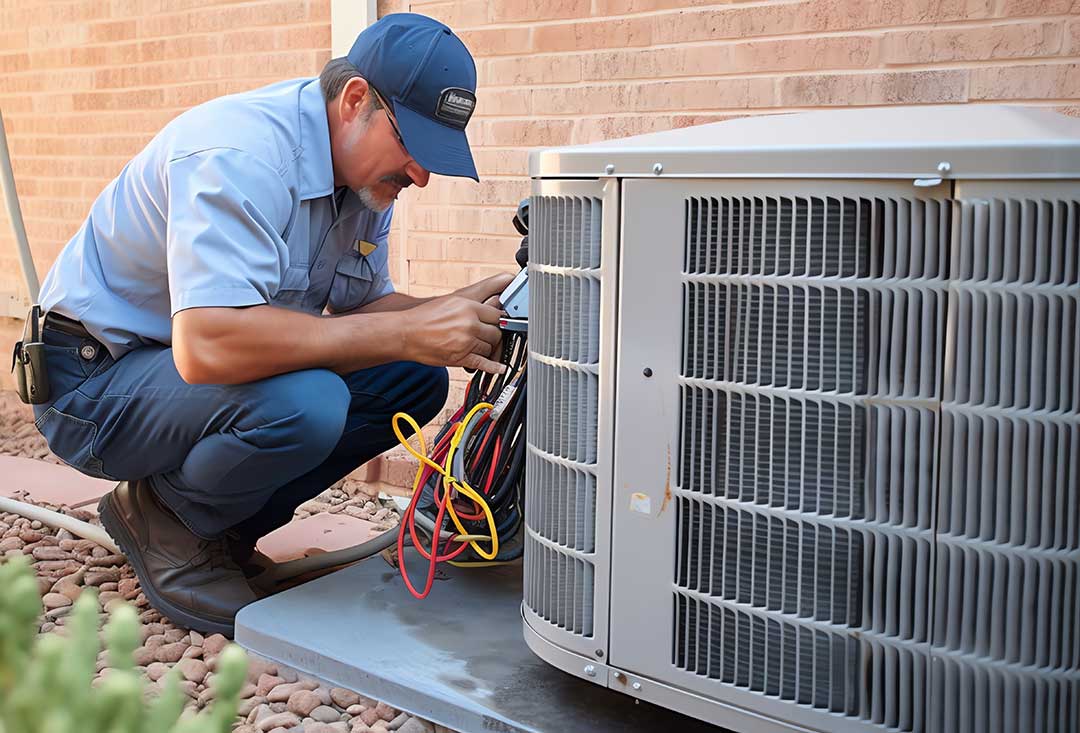
After a summer outage, indoor humidity may rise quickly. Use ceiling fans or portable fans only when electricity is available and the equipment is dry. Avoid opening windows if outdoor humidity is high or if storm-related air quality is poor.
During a winter outage, use safe temporary heating practices. Never use an oven, stovetop, grill, or fuel-burning outdoor appliance to heat the home. Portable fuel-burning heaters require adequate ventilation and must be used exactly as directed. Carbon monoxide alarms should be functional, particularly in homes using fireplaces, generators, or temporary heating equipment.
Residents should also remember that an HVAC system cannot compensate for unsafe indoor conditions caused by flooding, structural damage, or extended loss of power. Protecting people and the home takes priority over maintaining a target temperature.
What storm damage is easy to overlook?
Some problems do not appear immediately. A storm can leave behind water inside insulation, damp ductwork, blocked outdoor coils, displaced vent covers, or damaged condensate piping. Salt-laden air and wind-driven rain may also accelerate corrosion on exposed outdoor components.
After severe weather, check accessible supply and return vents for unusual moisture, staining, or reduced airflow. Look for water marks near indoor equipment and listen for changes in system operation during the next few cycles.
Do not pressure-wash an outdoor HVAC unit after a storm. High-pressure water can force dirt deeper into coils and damage delicate fins or electrical parts. Loose debris can be removed carefully from the surrounding area, but internal cleaning and electrical inspection require the equipment to be de-energized and handled safely.
How can HVAC systems be made more storm-ready?
Routine preparation reduces storm-related risk. Useful measures include:
- Keeping the outdoor unit level and firmly supported
- Maintaining clear drainage paths around the equipment
- Securing nearby outdoor objects before high winds
- Replacing damaged electrical covers or weather seals
- Testing smoke and carbon monoxide alarms
- Knowing the locations of HVAC disconnects and circuit breakers
- Keeping manufacturer information and equipment records in a dry place
- Checking that attic, crawl-space, and basement areas remain reasonably dry
A system that has been exposed to floodwater, lightning, fire, or major electrical damage should not be operated based only on a visual inspection. Hidden damage can remain hazardous even when the equipment looks clean and undisturbed.
For area households, storm preparation is less about covering the equipment and more about controlling the risks around it: loose debris, standing water, electrical surges, blocked drainage, and unsafe restart attempts. Clear space, dry conditions, stable power, and careful inspection provide the safest path to restoring heating or cooling after severe weather.