

 See My Latest Article on HelloNation
A heating and cooling system rarely becomes noisy without a reason. Some sounds are minor and related to normal operation, while others can point to loose parts, airflow restrictions, electrical problems, or a condition that could damage the equipment.
In Ocean View, NJ, systems often work through humid summers, chilly winters, and long periods of seasonal change. That repeated expansion, contraction, starting, stopping, and moisture exposure can make unusual sounds easier to notice over time.
What does a normal HVAC sound like?
Normal operating sounds are usually steady, brief, and consistent from one cycle to the next. A system may produce a low hum from the motor, a soft rush of air through supply registers, or a click when a thermostat starts or stops a cycle.
A brief ticking or light popping can occur as sheet metal ductwork expands or contracts when the temperature changes. This is more common when ducts run through attics, crawl spaces, garages, or other areas with large temperature swings.
Normal sounds should not suddenly become louder, harsher, or more frequent. A change in the sound pattern is often more useful than the sound itself.
Why is the system making a banging or clanking noise?
Banging and clanking often mean that a moving part is loose, damaged, or out of balance. In a furnace or air handler, the blower wheel may have shifted, or a motor mount may be loose. In an outdoor heat pump or air-conditioning unit, a fan blade can strike its housing if it becomes bent or obstructed.
A single bang when the system starts may also come from ductwork flexing under a sudden change in air pressure. Repeated banging during operation is more concerning because it can indicate a mechanical problem.
Turn the system off if the noise is severe, accompanied by vibration, or followed by reduced airflow. Continuing to operate equipment with a loose fan or damaged rotating part can lead to additional damage.
What causes squealing or screeching?
A high-pitched squeal commonly comes from friction involving a belt, bearing, pulley, or motor. Older systems may use belts that become worn, glazed, stretched, or misaligned. Some newer equipment does not use a belt, so squealing may instead involve a motor bearing or another moving component.
A brief squeak at startup may be less urgent than a continuous screech, but neither should be ignored if the sound is new. Friction creates heat and can eventually cause a motor to stop working.
Do not spray household lubricant into the equipment. Different motors and bearings require specific maintenance methods, and an incorrect lubricant can attract dust or damage components.
Why does the HVAC system rattle?
Rattling is often caused by a loose panel, screw, grille, register cover, or piece of ductwork. It can also come from debris inside the blower compartment or outdoor unit.
Simple observations can help narrow down the source:
- A rattle from a supply register may involve the grille or a nearby duct connection.
- A rattle from the indoor cabinet may point to a loose access panel or internal component.
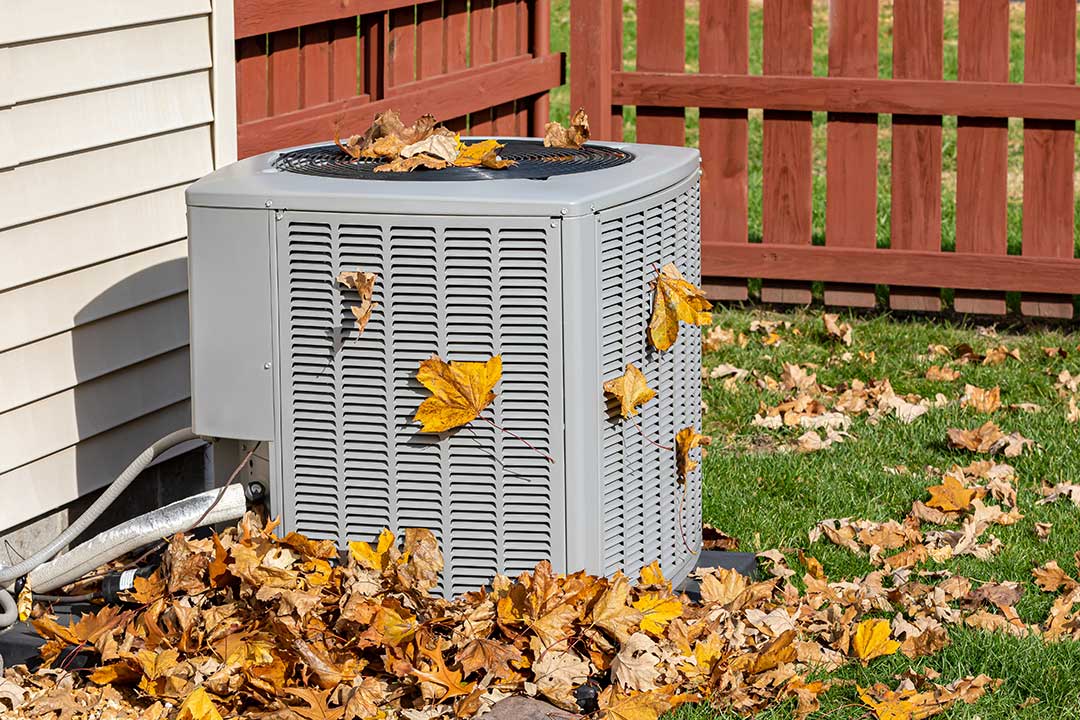
- A rattle from the outdoor unit may involve the fan, protective grille, leaves, or small debris.
- A vibration that travels through walls or floors may come from equipment that is not sitting level or is transmitting vibration through its supports.
With the system turned off, visible panels and registers can be checked for looseness. Internal electrical compartments and moving parts should remain closed.
What does a hissing sound mean?
Hissing usually indicates air escaping from a pressurized area. The source may be a loose duct connection, a gap around a filter, a damaged flexible duct, or a return-air leak.
A faint hiss near a register can be normal in a high-airflow system, particularly if the register is partially closed or obstructed. A loud hiss near the indoor equipment may suggest a significant duct leak or excessive pressure.
Hissing near an air conditioner or heat pump can also be associated with refrigerant movement. Refrigerant-related issues are not a do-it-yourself repair. The system may continue running while cooling performance declines, and operating it in that condition can strain the compressor.
What causes buzzing, humming, or electrical sounds?
A low hum may be normal, but a new or increasingly loud buzz can indicate an electrical or motor-related problem. Possible sources include a failing capacitor, a loose electrical connection, a contactor, a transformer, or a motor that is struggling to start.
Electrical buzzing deserves extra caution if it is paired with burning odor, flickering lights, repeated breaker trips, smoke, or a system that starts and stops unexpectedly. Shut the system off at the thermostat and, if necessary, the appropriate electrical disconnect. Do not remove electrical panels unless qualified to do so.
A thermostat that clicks once during startup is generally normal. Rapid clicking, repeated clicking, or clicking followed by failure to start suggests a control or electrical problem.
Why is there a dripping, gurgling, or bubbling sound?
Water-related noises often involve the condensate drain system. During cooling season, air conditioners and heat pumps remove moisture from indoor air. That water normally flows into a drain pan and then through a condensate line.
Gurgling may occur when the drain line is partially blocked, improperly sloped, or allowing air to move through the line. Dripping sounds may also come from water contacting a pan or duct surface.
Look for warning signs such as:
- Water around the indoor unit
- A full or overflowing drain pan
- Damp ceilings, floors, or walls
- Musty odors
- The system shutting off unexpectedly
In humid weather, moisture problems can develop faster, especially in systems located in attics, closets, or compact utility spaces. A blocked drain can cause property damage and may activate a safety switch that turns off cooling.
Can a dirty filter make the system noisy?
Yes. A heavily loaded filter restricts airflow and can make the blower work harder. The result may be a louder return-air sound, whistling around the filter, reduced airflow from registers, or longer heating and cooling cycles.
A filter that is too restrictive can also create noise even when it is clean. Filters with higher resistance may not be suitable for every system, particularly older equipment or systems with smaller return ducts.
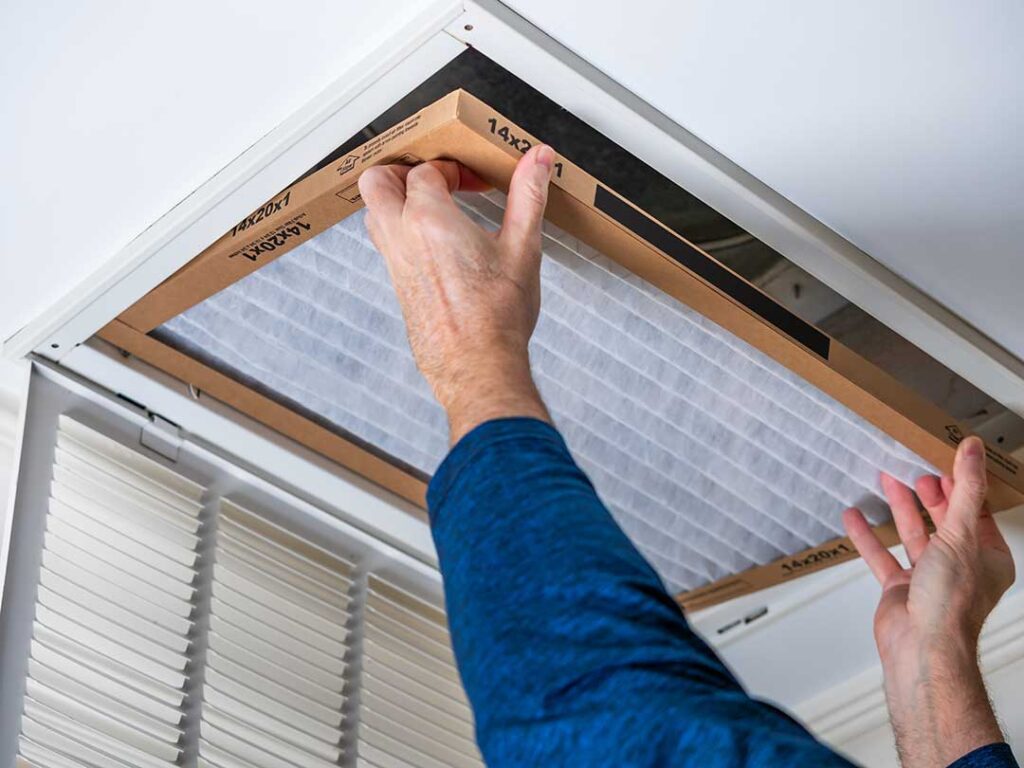
Check the filter on the schedule recommended for the home and replace it when visibly dirty or according to the equipment requirements. A filter should fit securely without bending, collapsing, or leaving gaps around the frame.
When is an HVAC noise an emergency?
Turn off the system promptly if there is smoke, a burning electrical odor, sparks, fuel odor, a loud metallic impact, severe vibration, or water near electrical equipment.
For fuel-burning furnaces, unusual combustion sounds or signs of exhaust problems require immediate caution. Carbon monoxide is odorless, so a carbon monoxide alarm should be installed and maintained near sleeping areas and according to safety guidance. A system that repeatedly trips a breaker should not be reset over and over.
What information helps identify the problem?
Before troubleshooting, note when the noise occurs and what the system is doing at that moment. Useful details include:
- Whether the sound comes from indoors, outdoors, ductwork, or a register
- Whether it happens at startup, during operation, or at shutdown
- Whether heating, cooling, or fan-only mode is running
- Whether airflow, temperature, or humidity control has changed
- Whether the sound began after a storm, power interruption, remodeling, or filter change
A short recording from a safe distance can also help describe an intermittent sound. Avoid placing hands or tools near fans, belts, electrical connections, combustion areas, or refrigerant lines.
Noisy operation is often the first visible sign of a developing HVAC problem. Paying attention to changes early can help distinguish harmless duct expansion from issues involving airflow, drainage, motors, electrical components, or safety controls.