

 See My Latest Article on HelloNation
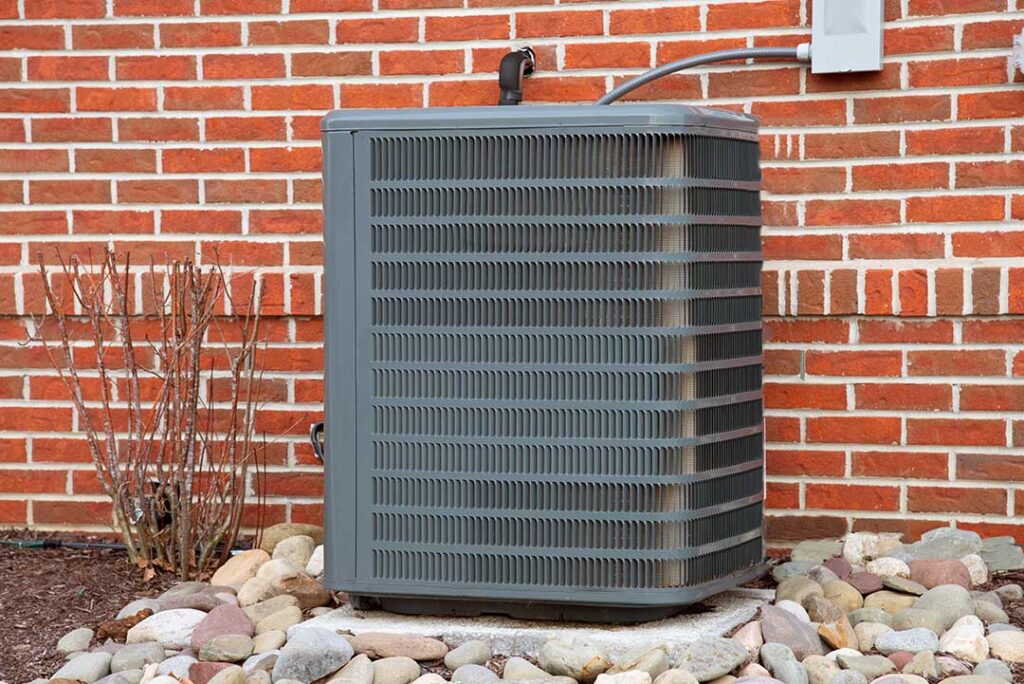
Which energy-saving steps matter most in Ocean View, NJ?
The biggest reductions usually come from controlling air leakage, using the thermostat wisely, maintaining equipment, and managing sunlight and moisture. A home does not need to feel uncomfortable to use less energy; small changes can reduce unnecessary heating and cooling without affecting basic comfort.
Ocean View has a coastal South Jersey climate with cold winter nights, humid summers, wind, and strong seasonal changes. Homes may rely on heat pumps, central air conditioning, furnaces, boilers, or ductless systems. The most effective approach depends on the equipment, the home’s insulation, and how air moves through the building.
What thermostat settings help lower energy use?
In winter, setting the thermostat a few degrees lower while sleeping or away can reduce heating demand. In summer, raising the cooling setting slightly when the house is empty can reduce air-conditioning runtime.
A programmable or smart thermostat can help maintain a schedule, but it should not be adjusted so aggressively that the system must run continuously to recover. A practical schedule might include:
- A moderate winter setting during occupied hours
- A lower winter setting overnight or during extended absences
- A moderate summer setting during the day
- A higher summer setting when the home is empty
Heat pumps require special care. Large temperature setbacks can sometimes cause backup electric heat to operate, which may use more energy than expected. Heat-pump households generally benefit from steady, moderate settings rather than frequent dramatic adjustments.
Ceiling fans can improve comfort, but they do not cool an empty room. Turn them off when no one is present. In summer, fan blades should move air downward; in winter, a low-speed reverse setting can help circulate warm air without creating a draft.
How can air leaks make heating and cooling more expensive?
Air leaks allow conditioned air to escape and outdoor air to enter. Common problem areas include attic hatches, recessed lights, plumbing openings, electrical penetrations, doors, windows, and places where floors meet exterior walls.
Weatherstripping around movable doors and windows can reduce drafts. Caulk is useful for small stationary gaps. Larger openings may require insulation or air-sealing materials suited to the location and temperature conditions.
A simple check can reveal problem areas:
- Look for movement in curtains near closed windows.
- Feel around door edges on a windy day.
- Inspect the attic hatch for gaps or missing insulation.
- Look for darkened insulation, which may indicate air movement.
- Check whether rooms above garages or near crawl spaces feel unusually cold or warm.
Do not block required combustion-air openings, dryer vents, bathroom vents, or heating-system vents. Sealing the wrong opening can create moisture or safety problems.
Does insulation make a noticeable difference?
Adequate insulation helps a home hold its temperature longer. Attics are especially important because heated air rises in winter and solar heat can build up beneath the roof in summer.
Insulation is most effective when it is installed evenly and combined with air sealing. Adding insulation over large unsealed gaps may conceal air leaks without solving them. Attic insulation should also leave roof ventilation paths clear where the roof design requires them.
Other areas worth checking include:
- Attic floors and access panels
- Exterior walls during renovation
- Floors above unheated garages
- Rim joists near the foundation
- Crawl-space boundaries
- Ductwork passing through attics, garages, or other unconditioned areas
In older homes, insulation levels may vary significantly from one room or addition to another. Uneven insulation can explain why one part of a house is consistently colder or warmer.
How should windows, curtains, and sunlight be managed?
Windows affect comfort through drafts, heat transfer, and direct sunlight. In winter, open curtains on sunny exposures can allow useful solar heat into rooms. Close them after sunset to reduce heat loss.
In summer, sunlight entering through windows can create a large cooling load. Close shades or curtains before the room becomes hot, especially on windows facing strong afternoon sun. Exterior shading, such as properly placed awnings or shade trees, can be more effective than interior coverings because it blocks sunlight before it passes through the glass.
Window replacement is not always the first or most affordable step. Sealing gaps, repairing damaged weatherstripping, and improving window coverings may produce meaningful comfort improvements before replacement becomes necessary.
Why do filters and airflow affect energy use?
A dirty or overly restrictive filter can reduce airflow, causing a heating or cooling system to work harder. Check the filter on the schedule recommended for the equipment and household conditions. Homes with pets, renovation dust, or frequent occupancy may need more frequent inspection.
A filter should fit correctly and should not be installed backward. However, a filter is not meant to solve every indoor-air-quality problem. Choosing a much denser filter than the system can handle may reduce airflow and increase operating strain.
Keep supply registers and return grilles clear of furniture, rugs, curtains, and storage items. Closing many registers can create pressure problems rather than saving energy. Air needs a clear path to leave and return to the system.
What maintenance improves heating and cooling efficiency?
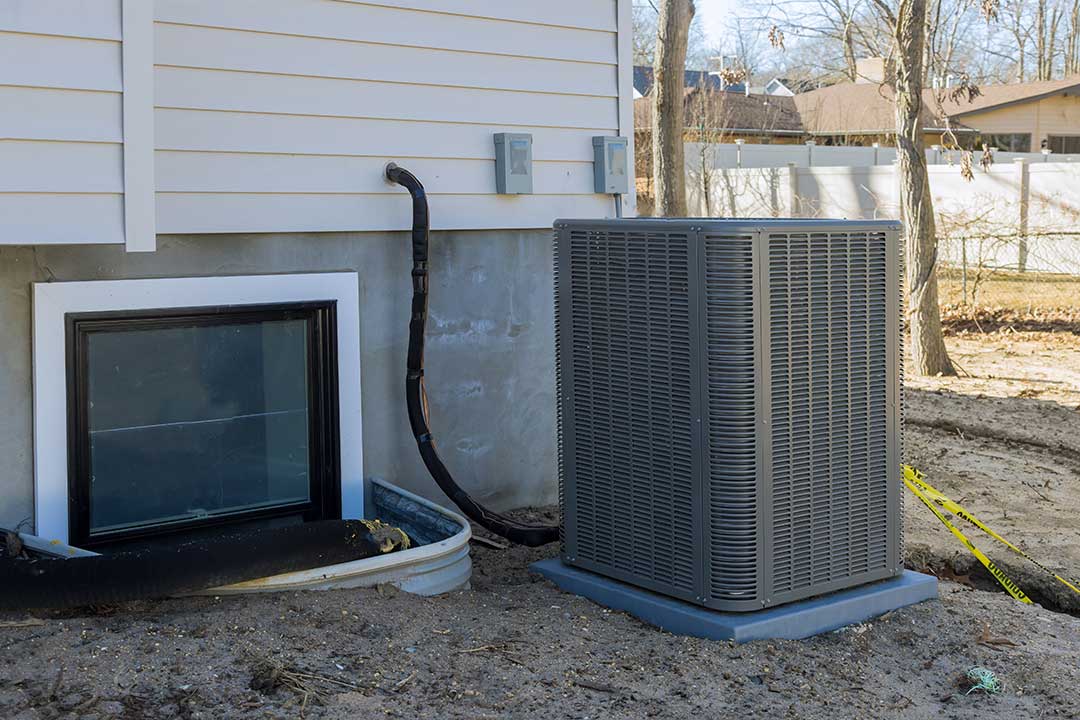
Routine maintenance can help equipment operate safely and efficiently. Homeowners can handle several basic tasks:
- Replace or inspect air filters.
- Keep outdoor heat-pump and air-conditioning units clear of leaves, grass, and stored items.
- Make sure indoor supply and return grilles remain open.
- Keep the area around indoor equipment free of clutter.
- Check that condensate drain areas are not visibly blocked.
- Remove window air conditioners before freezing weather if the model is not designed for year-round installation.
Fuel-burning equipment, electrical components, refrigerant circuits, and combustion venting should not be disassembled casually. Strange odors, repeated shutdowns, scorch marks, carbon-monoxide alarms, water leaks, or unusual electrical sounds require prompt attention because they may involve safety hazards rather than ordinary efficiency concerns.
Can moisture control lower cooling costs?
Humidity makes warm indoor temperatures feel less comfortable. In coastal communities, summer moisture can also contribute to musty odors, condensation, and mold growth if it remains uncontrolled.
Use bathroom and kitchen exhaust fans during moisture-producing activities, then turn them off after the moisture has cleared. Make sure exhaust fans vent outdoors rather than into an attic or crawl space. Keep doors and windows closed while air conditioning is operating unless outdoor air is specifically needed for ventilation.
A dehumidifier may help in a damp basement or crawl space, but it also produces heat and uses electricity. If one is used, keep its filter clean and provide adequate clearance around the unit. Persistent dampness may indicate drainage, grading, plumbing, or foundation issues that should be addressed at the source.
What habits waste the most heating and cooling energy?
Several common habits increase energy use without providing much comfort:
- Leaving exterior doors open during long loading or unloading periods
- Cooling or heating unused rooms aggressively
- Running bath or kitchen exhaust fans for hours
- Blocking return-air grilles
- Placing lamps or televisions near thermostat sensors
- Using an oven for long periods on hot summer days
- Leaving windows open while heating or air conditioning operates
- Ignoring rooms that are consistently too hot, cold, damp, or drafty
These problems often point to airflow, insulation, ductwork, or control issues rather than a need for a larger heating or cooling system.
When does an energy audit make sense?
An energy audit can be useful when utility costs are unusually high, rooms have persistent comfort differences, or improvements are being planned in stages. The most useful evaluations consider the entire house, including insulation, air leakage, ductwork, equipment sizing, moisture, and thermostat operation.
A larger heating or cooling system does not automatically use less energy. Oversized equipment may cycle frequently, provide uneven comfort, and remove less humidity during summer operation. Proper sizing and good airflow matter as much as the equipment’s label efficiency.
For local households, the most practical order is often to address obvious air leaks and filter problems first, improve insulation and shading next, and then evaluate equipment performance if high energy use continues.