

 See My Latest Article on HelloNation
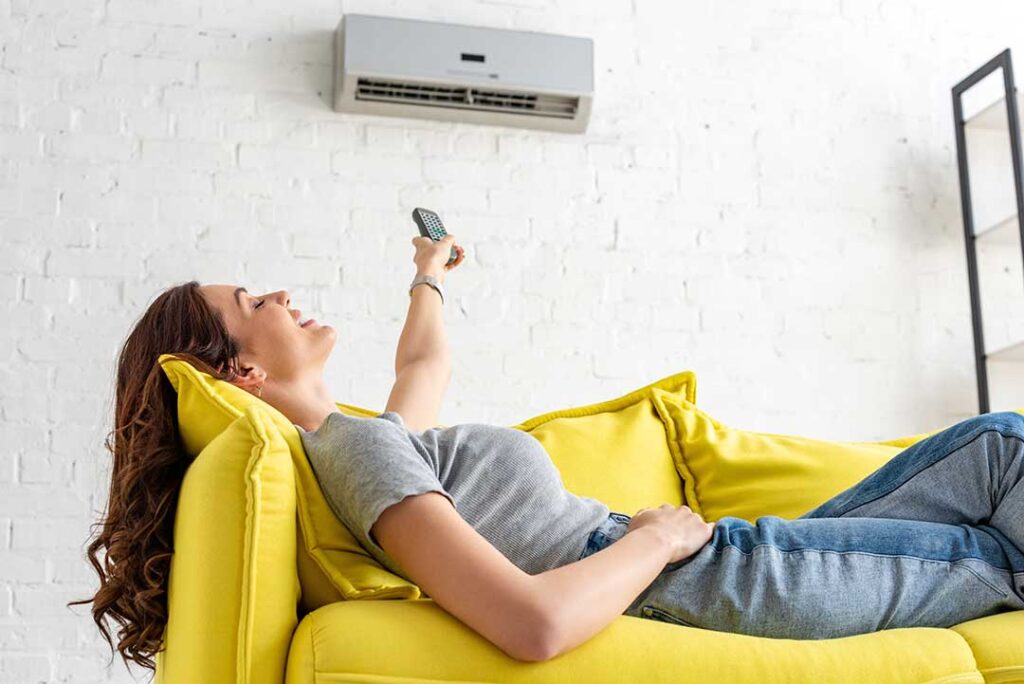
Humidity changes how warm or cool a home feels, how hard heating and cooling equipment must work, and whether moisture-related problems develop indoors. In Ocean View, NJ, seasonal moisture, air conditioning use, basement dampness, and tightly closed homes can all affect indoor comfort.
Why does humidity change how a home feels?
Humidity affects comfort because moisture in the air changes how the body releases heat. In summer, humid air slows the evaporation of perspiration, making a room feel warmer and stickier than the thermostat setting suggests. In winter, very dry air can make skin, eyes, and nasal passages feel irritated, even when the indoor temperature seems adequate.
This is why two homes set to the same temperature can feel noticeably different. A home at 74 degrees with high humidity may feel uncomfortable, while a home at the same temperature with controlled moisture may feel cooler. During heating season, excessively dry air can create a perception of chill that leads residents to raise the thermostat.
Humidity is measured as relative humidity, or RH. For many homes, an indoor range of roughly 30% to 50% provides a reasonable balance between comfort and moisture control. Readings above 60% increase the likelihood of condensation and mold-related problems, while readings below 30% may contribute to excessive dryness.
How does high humidity affect air conditioning?
High humidity makes air conditioning work harder because the system must remove both heat and moisture. The cooling process lowers the air temperature, but it also causes water vapor to condense on the indoor coil and drain away. This moisture-removal task is sometimes called latent cooling.
A system may reach the thermostat setting while leaving too much moisture indoors. This can happen when:
- The equipment is oversized and cycles off before removing enough moisture
- The thermostat is located in a drier or warmer area than the rest of the home
- Airflow is restricted by a dirty filter or blocked return
- Doors, windows, crawl spaces, or duct connections allow humid outdoor air to enter
- The home has moisture sources that exceed the system’s ability to remove them
High indoor humidity can make rooms feel warmer, encouraging a lower thermostat setting and longer equipment operation. It can also produce musty odors, damp furnishings, window condensation, and a clammy feeling on floors or upholstered furniture.
In coastal and near-coastal parts of New Jersey, humid summer weather can be especially noticeable. Homes that remain closed for long periods, have damp lower levels, or receive frequent outdoor-air infiltration may develop indoor moisture problems even when the air conditioner appears to be running normally.
Can humidity affect heating performance in winter?
Yes. Heating systems do not usually add moisture to the air. As outdoor air enters a home and is warmed, its relative humidity falls because warm air can hold more water vapor. This is why winter heating often produces dry indoor conditions.
Low humidity can cause:
- Dry skin and chapped lips
- Irritated eyes or nasal passages
- More static electricity
- Shrinking or cracking in wood trim, flooring, and furniture
- Gaps around wood components
- Increased discomfort near drafts or cold windows
Dry air does not necessarily mean the heating system is malfunctioning. It is often a result of outdoor air leakage, ventilation, and the basic relationship between temperature and relative humidity.
However, adding moisture without measuring it can create a different problem. A humidifier set too high may cause condensation on windows, exterior walls, ductwork, or other cold surfaces. That moisture can damage finishes and support mold growth.
What is the best indoor humidity level?
A practical target for many homes is between 30% and 50% relative humidity. The ideal setting may vary with outdoor temperature, window performance, insulation, and the construction of the home.
A simple digital hygrometer can show whether humidity is actually high or low. Place one in a commonly occupied area and consider separate readings for a basement, lower level, or bedroom if conditions vary throughout the home.
Visible condensation is a useful warning sign. Moisture on windows, pipes, walls, or supply registers suggests that indoor air contains more water vapor than those surfaces can safely handle. Condensation should not be treated as a normal feature of winter living, especially if it is frequent or persistent.
How can residents control excess humidity?
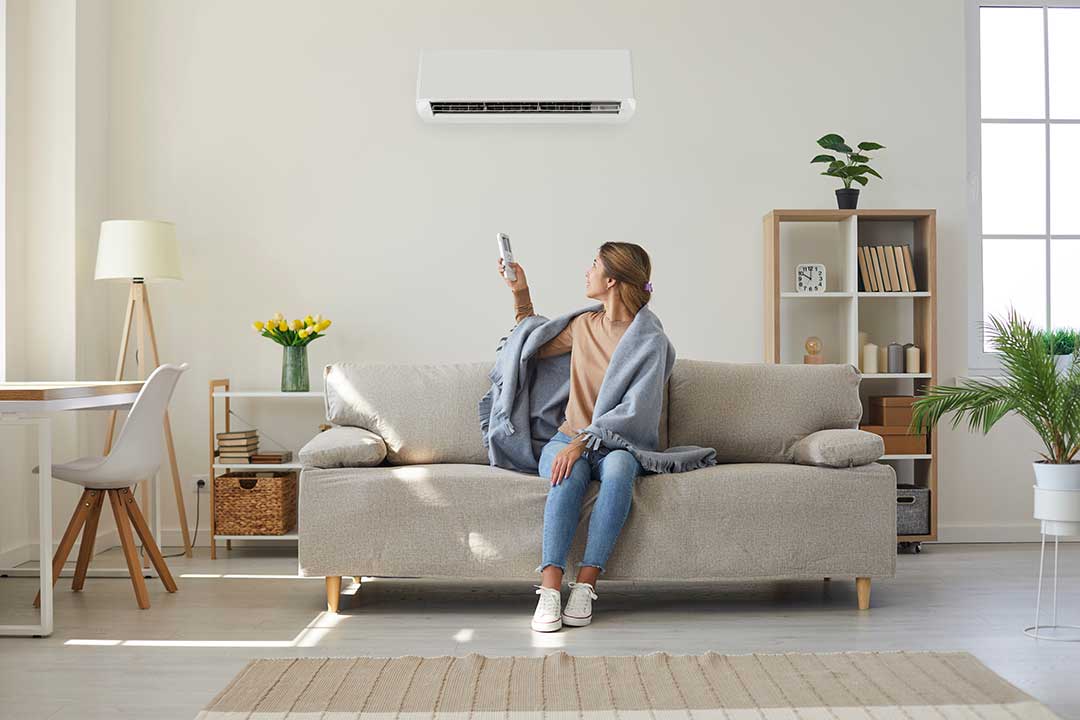
The most effective approach is to reduce moisture at its source and remove it before it spreads through the house.
Useful steps include:
- Run bathroom exhaust fans during showers and for a short period afterward.
- Use a kitchen exhaust fan when boiling water or producing steam.
- Vent clothes dryers outdoors and check that the vent is not restricted.
- Avoid drying large amounts of wet laundry indoors.
- Use a dehumidifier in a damp lower level when needed.
- Keep air conditioning filters clean and make sure supply and return grilles are not blocked.
- Check for plumbing leaks, roof leaks, standing water, and damp foundation areas.
- Keep condensate drains and drain pans clear so collected water can leave the system.
- Keep windows and doors closed during very humid outdoor conditions unless ventilation is intentional and appropriate.
A dehumidifier can help when the home is damp but not warm enough for the air conditioner to run frequently. This is common during mild, muggy weather, when the cooling system may satisfy the thermostat quickly but remove limited moisture.
Is high humidity always caused by the HVAC system?
No. Heating and cooling equipment can contribute to humidity problems, but building conditions and household activities are often equally important.
Cooking, bathing, indoor plants, aquariums, damp basements, air leaks, and wet crawl spaces can all raise indoor moisture. A cooling system may also appear to be the cause when the actual issue is poor drainage, insufficient airflow, or humid air entering through the building envelope.
If only one room feels damp, the cause may be localized. A closed-off room, supply-air imbalance, weak return path, or exterior moisture problem can create different conditions from the rest of the home. If the entire house has elevated humidity, the problem may involve ventilation, infiltration, equipment sizing, or a persistent moisture source.
When does humidity become a warning sign?
Humidity deserves closer attention when readings remain above 60%, condensation repeatedly forms, or musty odors and visible mold appear. Persistent moisture can affect paint, insulation, wood, carpeting, stored belongings, and indoor air quality.
Safety concerns also matter. Electrical equipment exposed to water, severe leaks, extensive mold growth, or moisture near heating and cooling components should not be handled casually. Correcting the water source is more important than simply wiping surfaces or running a portable appliance.
For area households, humidity control is not just a comfort adjustment. It is part of protecting the building, reducing unnecessary heating and cooling demand, and keeping indoor conditions more stable through muggy summers and dry winter heating periods.