

 See My Latest Article on HelloNation
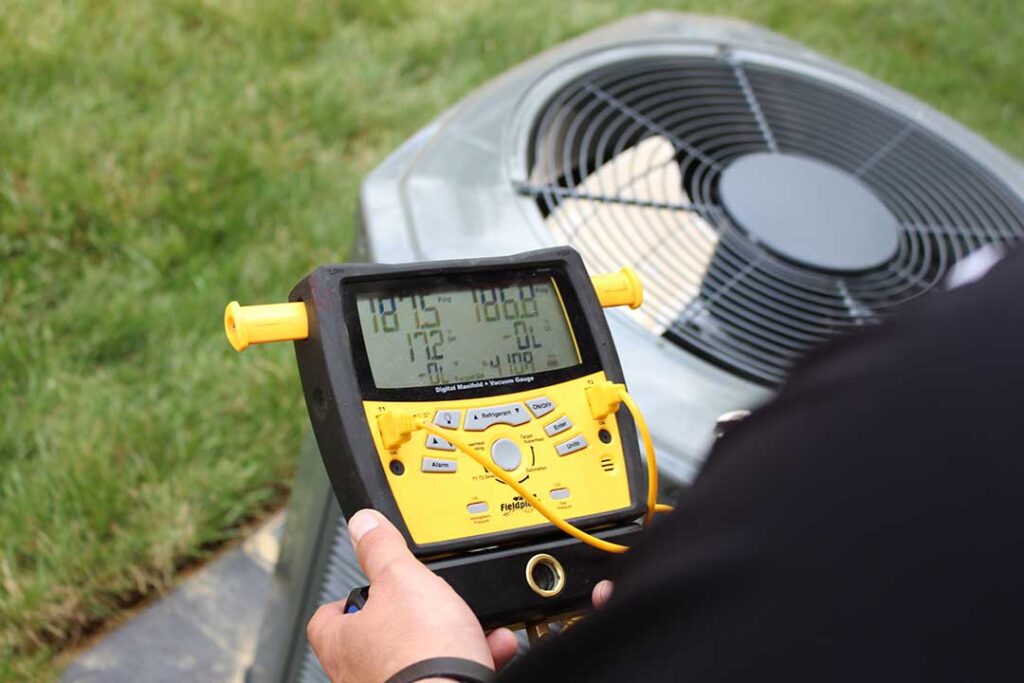
Why Is Carbon Monoxide a Concern in Ocean View, NJ Households?
Carbon monoxide (CO) is an odorless, colorless, and tasteless gas produced by the incomplete combustion of fuels. In Ocean View, NJ, heating systems, fireplaces, gas appliances, and portable generators are common sources. Because CO cannot be detected through sight or smell, its presence is often unnoticed—leading to possible health hazards, especially during cooler months when homes are closed up and heating equipment is running.
Older homes, varying ventilation habits, and more frequent use of gas-powered appliances in the area can increase risk. Recognizing CO exposure and knowing how to detect it is key to maintaining safety in local homes.
How Can You Recognize Signs of Carbon Monoxide Exposure?
There is no way to rely solely on your senses to detect carbon monoxide. However, early symptoms of CO exposure are sometimes mistaken for mild illness or flu, especially during winter when doors and windows stay shut.
- Headache
- Dizziness or confusion
- Nausea or vomiting
- Shortness of breath
- Weakness or fatigue
If multiple household members experience similar unexplained symptoms, especially when indoors, CO exposure should be considered—even if symptoms improve upon leaving the house.
What Are the Main Tools for Detecting Carbon Monoxide at Home?
The most effective method for identifying carbon monoxide is through CO detectors. These small, battery-powered or plug-in devices monitor your indoor air and alert you to dangerous levels of CO.
- Install detectors on every floor, especially near sleeping areas
- Place alarms at least 15 feet away from fuel-burning appliances to reduce false readings
- For homes with attached garages, place a detector near the garage entry
Detectors with a digital display can show low levels before they become hazardous, providing more lead time to take action.
Where Should CO Detectors Be Placed in Ocean View Homes?
Variation in house size and layout across Ocean View can impact sensor placement. Proper placement improves early warning:
- Every level of your home should have at least one detector
- Place detectors outside each separate sleeping area
- Avoid installing detectors next to windows, vents, or in humid spots like bathrooms
- For the many seasonal homes or cottages in Ocean View, check detectors before reopening for the summer or winter
Always follow the specific instructions provided by the detector manufacturer for optimal performance.
How Else Can Residents Detect or Prevent Carbon Monoxide Buildup?
Prevention is as vital as detection. Before the heating season, area residents should:
- Schedule annual inspections for all fuel-burning appliances (furnaces, water heaters, stoves)
- Keep vents and chimneys free of debris, nests, and snow—especially after winter storms common to the area
- Never use charcoal grills, portable camp stoves, or gas-powered equipment inside or in garages—even with doors open
If you live in a home with a fireplace or wood stove, ensure the flue is fully open during use. For homes that lose power in storms, never use generators indoors or right outside windows or doors.
What Should You Do If a Carbon Monoxide Alarm Sounds?
A sounding alarm indicates possible CO in your home. Take the following immediate steps for safety:
1. Silence the alarm (if possible) and evacuate everyone, including pets, to fresh air
2. Call emergency services from outside or a neighbor’s home
3. Do not return until you are told it is safe
If anyone experiences symptoms—dizziness, headache, nausea—seek medical attention promptly.
Are There Common Misconceptions About Carbon Monoxide Detection?
Some local residents mistakenly believe cracking a window is sufficient or that occasional use of gas appliances does not pose risk. In reality:
- Small leaks can build over time—even with ventilation
- Mild symptoms may be ignored or attributed to seasonal illness
- Not all detectors are created equal; combination smoke/CO alarms must be checked for correct settings and batteries
Another overlooked factor is expired detectors; most have a lifespan of 5-7 years, after which sensor accuracy drops. Always check the manufacture or expiration date on the device.
How Often Should You Test or Replace CO Detectors?
Testing and replacement are often overlooked, especially in secondary residences or rentals common in this community.
- Test detectors monthly by pressing the test button
- Replace batteries at least twice a year; coordinated with daylight saving time change is an easy reminder
- Replace detectors completely once expired, according to manufacturer guidelines
Seasonal and rental property owners should always check devices every time the home is reopened or guests arrive.
What Local Conditions Affect Carbon Monoxide Risk?
Ocean View’s climate—with colder winters, seasonal occupancy, and reliance on propane or wood in some homes—can increase exposure risk. Wintry storms may block vents, and power outages often lead to increased generator use, both scenarios that raise CO levels if not managed carefully.
Knowledge of local building codes is also useful; most recently built and renovated homes are required to have CO detectors installed, but older homes may not be up to current standards.