
 See My Latest Article on HelloNation
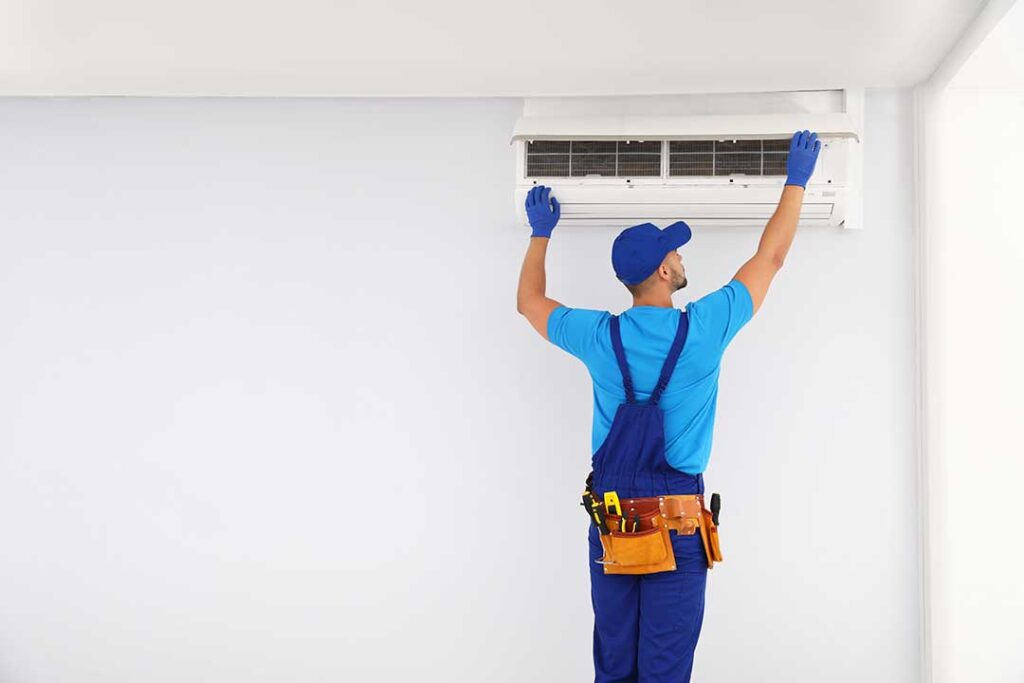
A heater that suddenly stops running may have a simple cause, such as a thermostat setting, tripped breaker, clogged filter, or blocked vent. Before attempting any repair, check the system safely and determine whether the problem affects the entire heating system or only one part of the home.
What should be checked first?
Start with the thermostat, then move to the electrical supply, fuel source, airflow, and visible equipment conditions. These basic checks can identify many common problems without opening the furnace or disturbing wiring, gas connections, or internal components.
1. Check the thermostat
Make sure the thermostat is set to Heat, not Cool or Off. Raise the temperature several degrees above the current indoor temperature and wait a few minutes.
Also check:
- Whether the display is blank
- Whether the thermostat batteries need replacement
- Whether a programmed schedule is preventing heat from turning on
- Whether the fan setting is on Auto rather than On
- Whether the thermostat is loose or unusually cold
A blank display may indicate dead batteries, a tripped circuit, or a wiring problem. If the thermostat shows a call for heat but the system does nothing, continue with the next checks.
2. Look for a tripped breaker or service switch
A furnace or heat pump may have a dedicated circuit breaker. Check the electrical panel for a breaker that appears out of position. Reset it only once by moving it fully to Off and then back to On.
Many heating systems also have a service switch near the equipment. It may resemble an ordinary light switch and is sometimes located on a nearby wall or at the top of the unit. It should be in the On position.
If the breaker trips again, leave it off. Repeated tripping can indicate an electrical fault or failing component, and continued resetting may create a safety hazard.
3. Inspect the air filter
A heavily clogged filter can restrict airflow, cause overheating, and make a furnace shut down as a protective measure. It can also reduce the performance of a heat pump or cause uneven temperatures between rooms.
If the filter looks gray, packed with dust, or difficult to see through, replace it with a properly sized filter. The size is usually printed on the filter frame. Do not operate the system for an extended period without a filter.
Homes near the coast may experience additional airborne moisture, sand, and dust during certain weather conditions. Those particles can contribute to faster filter loading, especially when doors and windows are opened frequently.
4. Check supply registers and return grilles
Make sure supply registers are open and not blocked by furniture, rugs, boxes, or curtains. Check return grilles as well. A blocked return prevents the system from moving enough air through the home.
Closing several registers does not usually redirect heat efficiently. It can increase pressure in the ductwork and contribute to noise, poor comfort, or equipment strain.
Why is the heater running but not producing warm air?
A system that runs without delivering heat may have an airflow problem, a refrigerant or outdoor-unit issue, a fuel problem, or a malfunctioning heating component.
First, check whether the air is truly cold or simply less warm than expected. Heat pumps commonly deliver air that feels warm rather than hot, particularly during cold weather. Their outdoor unit may also enter a temporary defrost cycle, during which heating pauses briefly.
If the system blows room-temperature or cold air continuously, check:
- Whether the thermostat is accidentally set to Fan On
- Whether the filter is obstructed
- Whether outdoor heat-pump coils are covered by snow, leaves, or ice
- Whether supply registers are open
- Whether the system recently lost power
Do not chip ice from an outdoor unit or pour hot water over it. The fins and coils can be damaged, and rapidly melting ice may refreeze around the equipment.
What if the heater starts and stops repeatedly?
Short cycling means the system turns on and off more frequently than expected. A dirty filter, blocked airflow, incorrect thermostat location, oversized equipment, or a faulty safety control can cause this behavior.
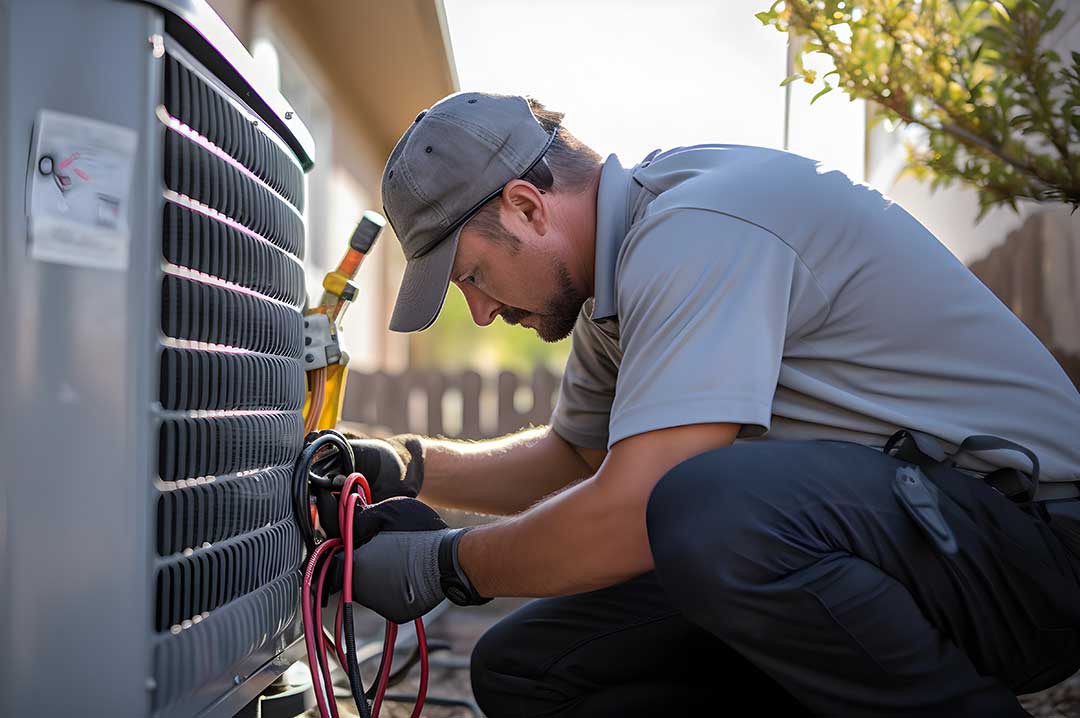
Replace a dirty filter and confirm that registers and return grilles are unobstructed. If the system continues to cycle every few minutes, turn it off if the home is not at risk of freezing and arrange for qualified diagnosis. Repeated short cycling increases wear and may leave the home colder during a longer failure.
A thermostat installed near a draft, kitchen appliance, sunny window, or frequently opened door can also misread the indoor temperature. That possibility is worth considering if only certain rooms seem comfortable while the thermostat area changes rapidly.
What should be done if there is a gas smell or carbon monoxide concern?
Leave the home immediately if there is a strong gas odor, a carbon monoxide alarm, smoke, burning insulation, or another condition that seems dangerous. Do not operate light switches, use phones inside, or attempt to locate the source.
From a safe location, contact emergency services or the appropriate gas emergency line. Carbon monoxide is colorless and odorless, so symptoms such as headache, dizziness, nausea, unusual fatigue, or confusion should be treated seriously, particularly if more than one person feels unwell.
Never bypass a safety switch, relight equipment repeatedly, or open a combustion appliance to investigate. A qualified technician is needed when gas, combustion, venting, electrical damage, or carbon monoxide may be involved.
When can a heater be left off?
Turn the system off and seek qualified help when there is:
- A gas odor
- Smoke, sparks, or melted wiring
- A carbon monoxide alarm
- Water leaking onto electrical components
- A breaker that repeatedly trips
- A damaged flue or vent
- Loud banging, grinding, or screeching
- Ice buildup that returns quickly on a heat pump
- No heat during freezing conditions
During a cold spell, protect plumbing while the heating system is being evaluated. Open cabinet doors beneath sinks on exterior walls, allow vulnerable faucets to drip slightly if appropriate, and keep interior doors open so warmer air can circulate. Do not use an oven, grill, or outdoor heating device to warm the home. Those methods can cause fire or carbon monoxide poisoning.
How can residents prepare before the next cold snap?
Test the heating system before the first sustained cold weather arrives. Replace or inspect the filter, confirm that registers are open, clear leaves and debris from outdoor heat-pump equipment, and make sure carbon monoxide alarms have working batteries.
Keep the equipment area accessible. Do not store paint, gasoline, cleaning chemicals, cardboard, or other combustible materials near a furnace or boiler. If the home has a chimney or combustion vent, confirm that snow, nests, leaves, and other debris cannot block the outlet.
A written note showing the filter size, breaker location, thermostat batteries, and equipment model can make troubleshooting easier. It also helps household members respond calmly if the system stops working overnight.
For homes with older equipment, unusual noises, or recurring shutdowns, documenting the date, weather, thermostat setting, and symptoms can help identify patterns. Clear observations are often more useful than repeatedly restarting a system that may be shutting down for safety reasons.