

 See My Latest Article on HelloNation
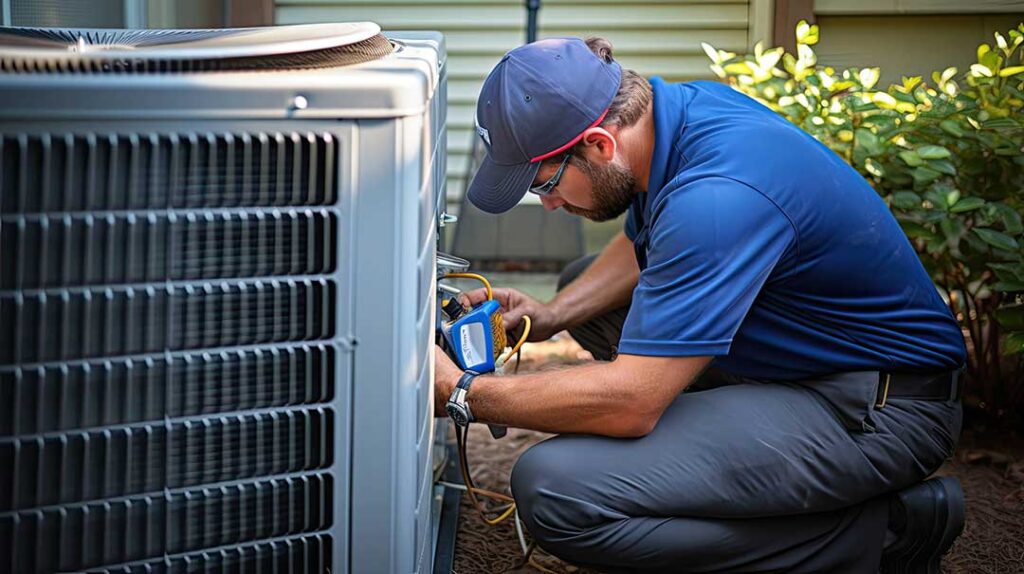
Should you cover an outdoor AC unit in winter?
For most standard central air-conditioning systems, a full winter cover is not necessary and may create problems. The outdoor condenser is designed to remain outside through rain, snow, freezing temperatures, and wind.
A breathable cover placed over only the top of the unit can be useful in some situations, especially where falling leaves, pine needles, or windblown debris are common. However, covering the entire unit with plastic or tightly wrapping it is generally discouraged because it can trap moisture inside.
Residents in Ocean View, NJ, may see a mix of rain, snow, freezing precipitation, coastal winds, and damp conditions during the colder months. Those conditions make moisture control more important than simply keeping snow off the equipment.
Why is a full cover usually a bad idea?
A sealed or non-breathable cover can hold moisture against the cabinet, coil, fan motor, electrical components, and fasteners. That trapped moisture may contribute to corrosion, mildew, and rust.
A full cover can also provide a protected nesting area for mice and other small animals. Rodents may use the material for shelter and can damage wiring or insulation. Even a well-fitted cover may loosen during a windy storm and rub against the cabinet or allow water to collect underneath.
Plastic tarps, garbage bags, shrink wrap, and improvised covers are especially poor choices. They can retain condensation and may block normal ventilation around the equipment.
The outdoor unit already has weather-resistant components. Its cabinet and coil are intended to tolerate outdoor exposure, while the fan opening allows the unit to dry more naturally after rain or snow.
Is it useful to cover just the top?
A top-only cover can be reasonable if it is made from breathable material and secured without blocking the sides. Its purpose is to reduce the amount of leaves, twigs, and other debris that fall directly into the fan grille.
The cover should not extend all the way down the cabinet. Open sides allow air circulation and reduce the chance that humidity will remain trapped inside. A small cover also makes it easier to inspect the unit after storms and before the first warm-weather start-up.
A top cover is most useful when:
- The condenser sits beneath trees.
- Leaves collect heavily around the equipment.
- The unit is exposed to windblown debris.
- A nearby roofline drops water, ice, or debris onto the fan grille.
- The equipment manufacturer specifically allows or recommends seasonal protection.
Before using any cover, check the installation and operating instructions for the specific unit. Some systems have different requirements, particularly heat pumps and combined heating-and-cooling equipment.
What should you do before winter?
Basic preparation is more important than covering the unit. Start by removing leaves, grass, and loose debris from around the cabinet. Keep at least the manufacturer’s recommended clearance around the sides so air can move freely and maintenance access remains possible.
Do not bend the outdoor coil fins while cleaning. A soft brush or gentle stream of water may be appropriate for light surface debris, but the unit should not be sprayed aggressively or cleaned while power is connected in a way that creates an electrical hazard.
Check that gutters, downspouts, and roof runoff are not directed onto the condenser. Repeated dripping or falling ice can damage the cabinet and increase corrosion. In areas with coastal moisture, salt-laden air can also accelerate corrosion on exposed metal, making drainage and routine inspection especially worthwhile.
If the home has a standard air conditioner that is used only for cooling, the outdoor disconnect may be turned off for the off-season if that matches the equipment instructions. The thermostat should also be set so the air conditioner does not start unexpectedly.
A heat pump is different. Its outdoor unit may run during winter because it provides heat as well as cooling. Never shut off power to a heat pump or cover it in a way that blocks airflow unless the equipment instructions specifically direct that procedure.
Can snow and ice damage the condenser?
Ordinary snowfall usually does not harm a properly installed outdoor condenser. The more significant concerns are heavy accumulation, falling ice, drifting snow, and repeated freeze-thaw cycles.
Snow should not be shoveled, packed, or piled against the cabinet. Blocking the air openings can interfere with operation and may damage the fan if the system starts while snow or ice is obstructing the blades.
If snow or ice falls from a roof onto the unit, the issue is usually the roof drainage or overhang rather than the condenser itself. A protective barrier, adjusted downspout, or other change to the surrounding setup may be more useful than a fabric cover.
Never chip ice from the coil or fan with a hard tool. Doing so can bend fins, damage tubing, or injure the person attempting the removal.
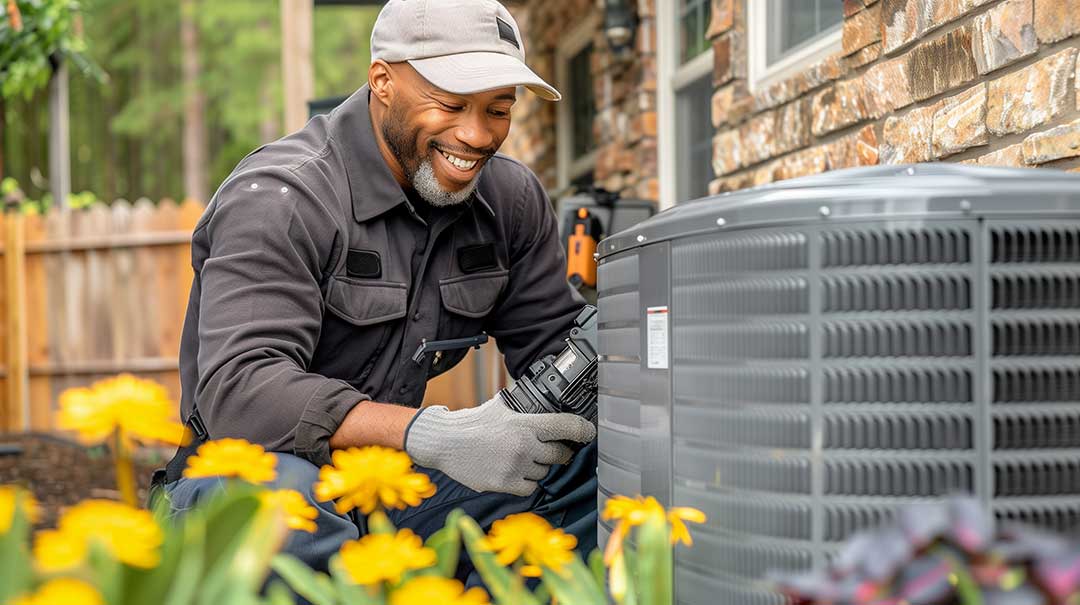
Should the outdoor unit be covered if the home is vacant?
A vacant home may have a greater need for debris control, but a full airtight cover is still not automatically the best solution. Before leaving for an extended period, remove loose material from around the unit, confirm that water will drain away from it, and follow the equipment instructions for disconnecting power.
A breathable top cover may help if the unit is beneath trees, but it should be secured against wind and checked when the home is reopened. If the system is a heat pump, power should not be disconnected simply because the house is unoccupied unless the manufacturer’s instructions and the home’s freeze-protection plan allow it.
For vacant properties, maintaining safe indoor temperatures is also important. Shutting down all heating can allow pipes to freeze even though the air conditioner is not being used.
What should you check before turning the AC back on?
Remove any top cover before operating the system. Confirm that no leaves, nests, branches, or small animals are inside the fan grille or around the cabinet.
Look for visible damage, including:
- Bent fan blades
- Loose panels
- Damaged wiring
- Heavy rust or corrosion
- Blocked coil surfaces
- Standing water around the base
- Ice damage or debris from nearby trees
Do not run the air conditioner if the fan is obstructed, the wiring appears damaged, or the cabinet has shifted. Those conditions can create an electrical or mechanical hazard.
The first start-up of the season should be uneventful. Unusual grinding, buzzing, repeated tripping of a breaker, burning odors, or failure of the outdoor fan are signs to shut the system off and have the condition evaluated.
The practical answer for local households
For a conventional central AC condenser, leave the sides uncovered and avoid sealing the entire unit. Clean the surrounding area, protect the unit from roof runoff, and use a breathable top-only cover only when it addresses a specific debris problem.
In Ocean View, winter moisture, wind, occasional snow, and coastal exposure can all affect outdoor equipment, but normal weather is not a reason to wrap the condenser tightly. The safest approach is to follow the equipment manual, treat heat pumps differently from cooling-only systems, and keep the unit dry, clear, and accessible.